Parent Questions Β· Toddler Β· 1–3 Years

Toddler safety: burns, poisons, water and roads

The toddler years are the injury years: burns from kitchen pots and geysers, poisoning from medicines and cleaning acids, drowning in buckets and drums, falls from stairs and rooftops, and streets full of motorbikes. Every one of them is preventable. This guide goes hazard by hazard through a Pakistani home and street.

Reviewed by Dr. Bilal Ahmad Sethi, Consultant Paediatrician Β· 9 common questions answered

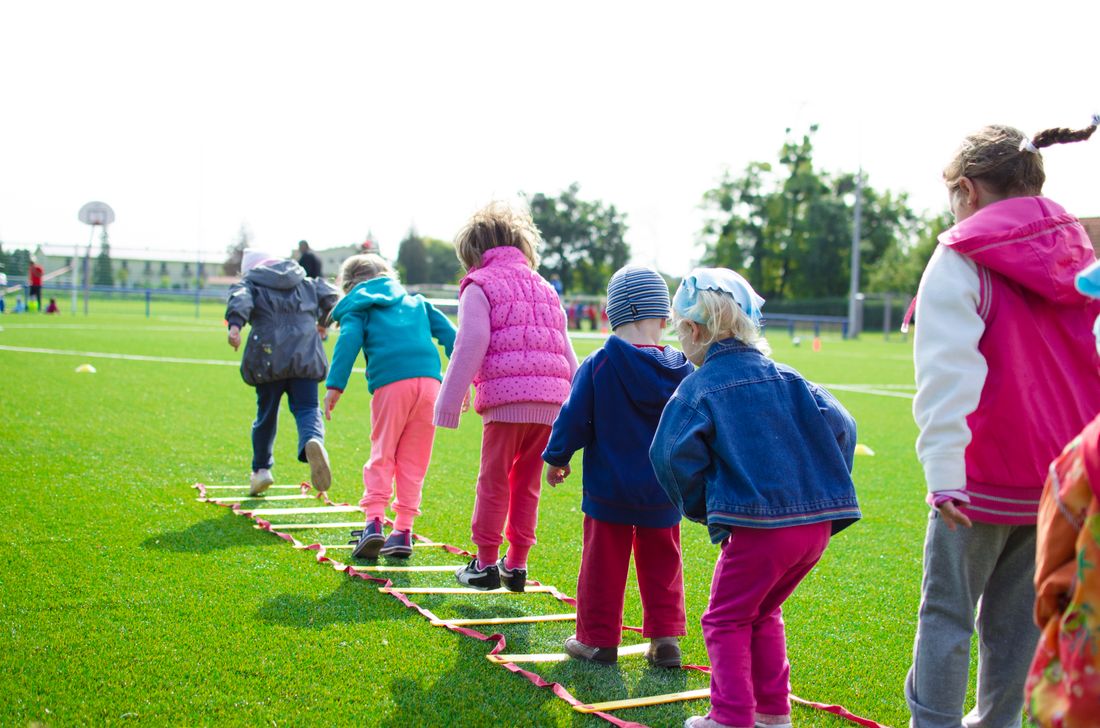
Children playing an outdoor game together

Your questions, answered. Tap one to open.

Pick the worry that fits your baby and open it for a clear answer, with what is usually normal, when to see a doctor, and when to go straight to hospital.

Usually normal See a doctor if… Go to hospital now if…
How do I childproof stairs, windows, balconies and rooftops?

Use securely mounted gates, window guards and balcony barriers, lock rooftop access and anchor televisions and shelves. Toddlers climb chairs and grills; supervision alone cannot stop every sudden fall.

🟒 Usually normal

Toddlers climb, run, imitate and explore without understanding danger. Safety depends on barriers, locked storage, direct supervision, safe road and travel restraint, safe food shapes and an adult within arm's reach around water.

🟑 See a doctor if

The home or travel routine cannot be made safe, the child has repeated falls or choking, a bite or minor burn needs review, caregivers use unsafe motorcycle or car practices, or there is ongoing pain or behaviour change after injury.

πŸ”΄ Go to hospital now if

There is choking, poisoning, battery or magnet ingestion, serious burn, drowning or near-drowning, road injury, fall with loss of consciousness, repeated vomiting after head injury, severe bleeding, seizure or breathing difficulty.

βœ… What you can do: Inspect from the child's height, remove climbable furniture near openings and never leave a toddler alone on a bed, sofa, charpai, balcony or roof.

⭐ Zango Clinic’s view: At 1–3 years, Pakistani stairs, charpais, balconies and rooftops need physical barriersβ€”not repeated warnings to a curious toddler.

How can I keep my toddler safe near roads and driveways?

Toddlers cannot judge speed or traffic and may run suddenly. Hold hands or carry near roads, use a physical gate at home and check all around and behind a vehicle before moving it.

🟒 Usually normal

Toddlers climb, run, imitate and explore without understanding danger. Safety depends on barriers, locked storage, direct supervision, safe road and travel restraint, safe food shapes and an adult within arm's reach around water.

🟑 See a doctor if

The home or travel routine cannot be made safe, the child has repeated falls or choking, a bite or minor burn needs review, caregivers use unsafe motorcycle or car practices, or there is ongoing pain or behaviour change after injury.

πŸ”΄ Go to hospital now if

There is choking, poisoning, battery or magnet ingestion, serious burn, drowning or near-drowning, road injury, fall with loss of consciousness, repeated vomiting after head injury, severe bleeding, seizure or breathing difficulty.

βœ… What you can do: Choose a single adult responsible during outings, teach 'stop' through practice but rely on restraint and barriers, and keep play away from streets and parking areas.

⭐ Zango Clinic’s view: At 1–3 years, road safety cannot depend on obedience; adult control and separation from vehicles are essential.

What is the safest travel by car, rickshaw or motorcycle?

Use an age- and size-appropriate car seat correctly installed in the back seat; keep rear-facing as long as the seat allows. An adult lap, front seat, rickshaw opening or motorcycle cannot provide equivalent crash protection.

🟒 Usually normal

Toddlers climb, run, imitate and explore without understanding danger. Safety depends on barriers, locked storage, direct supervision, safe road and travel restraint, safe food shapes and an adult within arm's reach around water.

🟑 See a doctor if

The home or travel routine cannot be made safe, the child has repeated falls or choking, a bite or minor burn needs review, caregivers use unsafe motorcycle or car practices, or there is ongoing pain or behaviour change after injury.

πŸ”΄ Go to hospital now if

There is choking, poisoning, battery or magnet ingestion, serious burn, drowning or near-drowning, road injury, fall with loss of consciousness, repeated vomiting after head injury, severe bleeding, seizure or breathing difficulty.

βœ… What you can do: Plan the safest available vehicle, use the certified restraint on every car trip and avoid motorcycle travel with toddlers whenever possible.

⭐ Zango Clinic’s view: At 1–3 years, common lap or motorcycle travel is not crash protection; safer transport planning is part of parenting.

How do I prevent burns from tea, cooking, heaters and electricity?

Keep toddlers out of the cooking area and away from chulha, tandoor, kettle, hot tea, iron, heaters, open flames and exposed wires. Turn pan handles inward and remove tablecloths that can be pulled.

🟒 Usually normal

Toddlers climb, run, imitate and explore without understanding danger. Safety depends on barriers, locked storage, direct supervision, safe road and travel restraint, safe food shapes and an adult within arm's reach around water.

🟑 See a doctor if

The home or travel routine cannot be made safe, the child has repeated falls or choking, a bite or minor burn needs review, caregivers use unsafe motorcycle or car practices, or there is ongoing pain or behaviour change after injury.

πŸ”΄ Go to hospital now if

There is choking, poisoning, battery or magnet ingestion, serious burn, drowning or near-drowning, road injury, fall with loss of consciousness, repeated vomiting after head injury, severe bleeding, seizure or breathing difficulty.

βœ… What you can do: Create a physical kitchen barrier, keep matches locked and cool a burn under clean running water; do not apply toothpaste, ghee, ice or ink.

⭐ Zango Clinic’s view: At 1–3 years, hot tea and floor-level cooking are major local risks; barriers work better than telling a toddler not to touch.

How should kerosene, medicines, pesticides and cleaners be stored?

Lock all medicines, iron, rat poison, pesticides, bleach, acid, detergent and kerosene high in original labelled containers. Never put chemicals in soft-drink or water bottles; child-resistant caps are not childproof.

🟒 Usually normal

Toddlers climb, run, imitate and explore without understanding danger. Safety depends on barriers, locked storage, direct supervision, safe road and travel restraint, safe food shapes and an adult within arm's reach around water.

🟑 See a doctor if

The home or travel routine cannot be made safe, the child has repeated falls or choking, a bite or minor burn needs review, caregivers use unsafe motorcycle or car practices, or there is ongoing pain or behaviour change after injury.

πŸ”΄ Go to hospital now if

There is choking, poisoning, battery or magnet ingestion, serious burn, drowning or near-drowning, road injury, fall with loss of consciousness, repeated vomiting after head injury, severe bleeding, seizure or breathing difficulty.

βœ… What you can do: Lock after every use, keep packaging and emergency contacts available and never induce vomiting or give milk after suspected poisoning unless instructed.

⭐ Zango Clinic’s view: At 1–3 years, colourful liquids and tablets look like food; locked original containers prevent a common Pakistani household tragedy.

Can a toddler drown in a bucket, tub or water tank?

Yes. Drowning is quick and often silent in buckets, tubs, drums, open drains, ponds and uncovered tanks. An older sibling, bath seat or inflatable aid does not replace an adult within arm's reach.

🟒 Usually normal

Toddlers climb, run, imitate and explore without understanding danger. Safety depends on barriers, locked storage, direct supervision, safe road and travel restraint, safe food shapes and an adult within arm's reach around water.

🟑 See a doctor if

The home or travel routine cannot be made safe, the child has repeated falls or choking, a bite or minor burn needs review, caregivers use unsafe motorcycle or car practices, or there is ongoing pain or behaviour change after injury.

πŸ”΄ Go to hospital now if

There is choking, poisoning, battery or magnet ingestion, serious burn, drowning or near-drowning, road injury, fall with loss of consciousness, repeated vomiting after head injury, severe bleeding, seizure or breathing difficulty.

βœ… What you can do: Empty containers, store buckets upside down, cover tanks and toilets, fence water and take the child with you whenever leaving a bath or water area.

⭐ Zango Clinic’s view: At 1–3 years, household water storage is a major Pakistan-specific hazard; every bucket needs emptying, covering or a locked door.

Which foods and objects are choking hazards?

Avoid whole nuts, popcorn, hard sweets, whole grapes, raw carrot, hard apple, sausage coins, bones and thick nut-butter spoonfuls. Coins, balloons, pen caps, beads and small toy parts also block airways.

🟒 Usually normal

Toddlers climb, run, imitate and explore without understanding danger. Safety depends on barriers, locked storage, direct supervision, safe road and travel restraint, safe food shapes and an adult within arm's reach around water.

🟑 See a doctor if

The home or travel routine cannot be made safe, the child has repeated falls or choking, a bite or minor burn needs review, caregivers use unsafe motorcycle or car practices, or there is ongoing pain or behaviour change after injury.

πŸ”΄ Go to hospital now if

There is choking, poisoning, battery or magnet ingestion, serious burn, drowning or near-drowning, road injury, fall with loss of consciousness, repeated vomiting after head injury, severe bleeding, seizure or breathing difficulty.

βœ… What you can do: Seat the child for eating, cut and cook food safely, supervise, separate older children's toys and ensure every caregiver learns toddler choking first aid.

⭐ Zango Clinic’s view: At 1–3 years, running with food and familiar snack shapes cause risk; age does not remove the need for supervision.
Why are button batteries, magnets, sockets and cords dangerous?

A swallowed button battery can burn the food pipe quickly; multiple magnets can trap bowel. Open sockets, damaged wires, chargers, plastic bags and curtain or dupatta cords cause shock, burns, suffocation or strangulation.

🟒 Usually normal

Toddlers climb, run, imitate and explore without understanding danger. Safety depends on barriers, locked storage, direct supervision, safe road and travel restraint, safe food shapes and an adult within arm's reach around water.

🟑 See a doctor if

The home or travel routine cannot be made safe, the child has repeated falls or choking, a bite or minor burn needs review, caregivers use unsafe motorcycle or car practices, or there is ongoing pain or behaviour change after injury.

πŸ”΄ Go to hospital now if

There is choking, poisoning, battery or magnet ingestion, serious burn, drowning or near-drowning, road injury, fall with loss of consciousness, repeated vomiting after head injury, severe bleeding, seizure or breathing difficulty.

βœ… What you can do: Secure battery covers, remove magnets, block unsafe electricity, replace damaged wires and seek emergency care after suspected battery or magnet swallowing even without symptoms.

⭐ Zango Clinic’s view: At 1–3 years, batteries and magnets cause hidden internal injury; waiting for symptoms is unsafe.

What should I do about stray dogs, animal bites or scratches?

Dog, cat, monkey and other mammal bites or scratches can cause serious infection and rabies. Even a small skin break or saliva on broken skin needs prompt wound washing and medical assessment; do not rely on the animal looking healthy.

🟒 Usually normal

Toddlers climb, run, imitate and explore without understanding danger. Safety depends on barriers, locked storage, direct supervision, safe road and travel restraint, safe food shapes and an adult within arm's reach around water.

🟑 See a doctor if

The home or travel routine cannot be made safe, the child has repeated falls or choking, a bite or minor burn needs review, caregivers use unsafe motorcycle or car practices, or there is ongoing pain or behaviour change after injury.

πŸ”΄ Go to hospital now if

There is choking, poisoning, battery or magnet ingestion, serious burn, drowning or near-drowning, road injury, fall with loss of consciousness, repeated vomiting after head injury, severe bleeding, seizure or breathing difficulty.

βœ… What you can do: Wash immediately with soap and running water for about 15 minutes, apply an antiseptic if available and go urgently for rabies and tetanus assessment. Do not apply chilli, soil or herbs.

⭐ Zango Clinic’s view: At 1–3 years, every possible rabies exposure is urgent in Pakistan; wound washing and timely vaccination save lives.

When to see Dr. Sethi

These answers help you know what to watch for at home. When something does not feel right, or a red-flag sign appears, a quick consultation is the safest next step. Book a clinic visit or ask on WhatsApp.

More newborn topics

Still worried? Talk to Dr. Sethi.

These answers help you know what to watch for. When something does not feel right, a quick consultation is the safest next step.