Parent Questions · Toddler · 1–3 Years

Toddler sleep and screen time limits

Toddlers need eleven to fourteen hours of sleep, and the mobile phone is its biggest thief. Under two, screens should be close to zero; after two, under an hour, and never at bedtime. This guide covers naps, a bedtime routine that survives load-shedding, night waking, and prying the phone out of small determined hands.

Reviewed by Dr. Bilal Ahmad Sethi, Consultant Paediatrician · 7 common questions answered

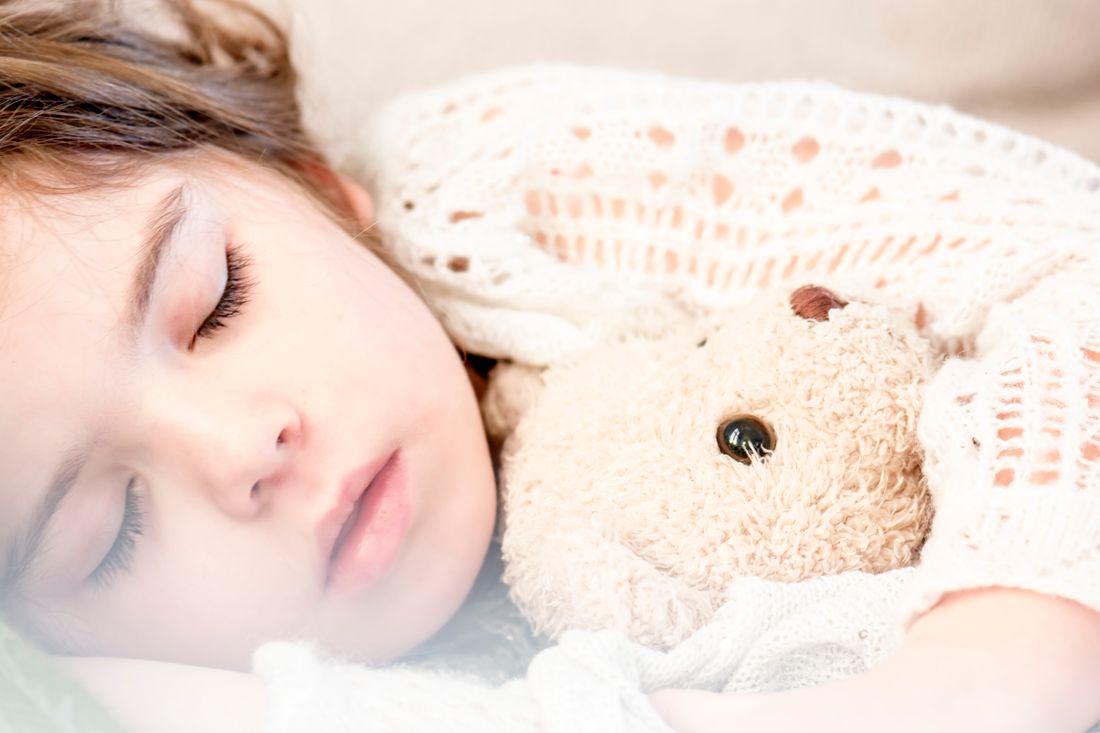
A young child sleeping with a teddy bear

Your questions, answered. Tap one to open.

Pick the worry that fits your baby and open it for a clear answer, with what is usually normal, when to see a doctor, and when to go straight to hospital.

Usually normal See a doctor if… Go to hospital now if…
How much sleep should a 1–3-year-old get?

Children aged 1–2 years generally need about 11–14 hours in 24 hours including naps; by age 3 the range often becomes 10–13 hours. Needs vary, but regular sleep and an alert daytime child are important.

🟢 Usually normal

Children aged 1–2 years generally need about 11–14 hours of sleep in 24 hours including naps; by age 3 the need often moves toward 10–13 hours. Night waking, bedtime protest and nap transitions can occur.

🟡 See a doctor if

There is loud habitual snoring, breathing pauses, persistent pain, unusual sleep movements, severe night terrors, very short sleep affecting daytime behaviour, or caregivers are using medicines or feel unable to cope.

🔴 Go to hospital now if

The child turns blue, has prolonged breathing pauses, cannot be awakened normally, has a seizure, suspected sedative or medicine exposure, severe breathing difficulty or a serious sleep-related injury.

✅ What you can do: Keep a one-week diary and protect consistent wake, nap and bedtime. Review snoring, pauses, pain or very short sleep.

⭐ Zango Clinic’s view: At 1–3 years, adequate sleep can fit a Pakistani family routine; copying another child's exact bedtime is unnecessary.

When should my child move from two naps to one or no nap?

Many move from two naps to one during the second year; some three-year-olds still nap and others do not. Late or long naps can delay bedtime, while removing needed sleep can worsen tantrums.

🟢 Usually normal

Children aged 1–2 years generally need about 11–14 hours of sleep in 24 hours including naps; by age 3 the need often moves toward 10–13 hours. Night waking, bedtime protest and nap transitions can occur.

🟡 See a doctor if

There is loud habitual snoring, breathing pauses, persistent pain, unusual sleep movements, severe night terrors, very short sleep affecting daytime behaviour, or caregivers are using medicines or feel unable to cope.

🔴 Go to hospital now if

The child turns blue, has prolonged breathing pauses, cannot be awakened normally, has a seizure, suspected sedative or medicine exposure, severe breathing difficulty or a serious sleep-related injury.

✅ What you can do: Watch tiredness and bedtime, move nap timing gradually and keep a quiet rest period even if sleep stops.

⭐ Zango Clinic’s view: At 1–3 years, nap transitions follow the child's functioning, not pressure from relatives or nursery comparison.

What bedtime routine works in a joint-family home?

A short repeated sequence—wash, pyjamas, milk before toothbrushing, dua or story, dim light and bed—helps even when adults stay awake. Perfect silence or a separate nursery is not required.

🟢 Usually normal

Children aged 1–2 years generally need about 11–14 hours of sleep in 24 hours including naps; by age 3 the need often moves toward 10–13 hours. Night waking, bedtime protest and nap transitions can occur.

🟡 See a doctor if

There is loud habitual snoring, breathing pauses, persistent pain, unusual sleep movements, severe night terrors, very short sleep affecting daytime behaviour, or caregivers are using medicines or feel unable to cope.

🔴 Go to hospital now if

The child turns blue, has prolonged breathing pauses, cannot be awakened normally, has a seizure, suspected sedative or medicine exposure, severe breathing difficulty or a serious sleep-related injury.

✅ What you can do: Agree on a 20–30-minute wind-down, reduce visitors and TV near the child and ask family members to use the same cues.

⭐ Zango Clinic’s view: At 1–3 years, consistency can exist inside a busy joint family; a predictable routine matters more than Western bedroom arrangements.

Why does my toddler wake at night or need me to sleep?

Night waking may follow separation anxiety, illness, teething, nightmares, hunger or a strong feeding and rocking association. Brief reassurance is normal; worsening patterns need a routine and health review.

🟢 Usually normal

Children aged 1–2 years generally need about 11–14 hours of sleep in 24 hours including naps; by age 3 the need often moves toward 10–13 hours. Night waking, bedtime protest and nap transitions can occur.

🟡 See a doctor if

There is loud habitual snoring, breathing pauses, persistent pain, unusual sleep movements, severe night terrors, very short sleep affecting daytime behaviour, or caregivers are using medicines or feel unable to cope.

🔴 Go to hospital now if

The child turns blue, has prolonged breathing pauses, cannot be awakened normally, has a seizure, suspected sedative or medicine exposure, severe breathing difficulty or a serious sleep-related injury.

✅ What you can do: Keep night responses calm and boring, settle in the same environment used at bedtime and change one sleep association gradually.

⭐ Zango Clinic’s view: At 1–3 years, comfort is not failure, but a parent can reduce exhausting sleep habits gently without sedating the child.

How much screen time is safe?

For one-year-olds, sedentary screen time is not recommended. At age 2, WHO advises no more than one hour and less is better. Content, co-viewing and what screens replace—sleep, talk and movement—also matter.

🟢 Usually normal

Children aged 1–2 years generally need about 11–14 hours of sleep in 24 hours including naps; by age 3 the need often moves toward 10–13 hours. Night waking, bedtime protest and nap transitions can occur.

🟡 See a doctor if

There is loud habitual snoring, breathing pauses, persistent pain, unusual sleep movements, severe night terrors, very short sleep affecting daytime behaviour, or caregivers are using medicines or feel unable to cope.

🔴 Go to hospital now if

The child turns blue, has prolonged breathing pauses, cannot be awakened normally, has a seizure, suspected sedative or medicine exposure, severe breathing difficulty or a serious sleep-related injury.

✅ What you can do: Keep meals, bedrooms and the hour before sleep screen-free; turn off background TV and co-view any brief age-appropriate content.

⭐ Zango Clinic’s view: At 1–3 years, a phone may quiet a child but should not become the family's main feeding, tantrum or babysitting tool.

Do screens before bed affect sleep and behaviour?

Fast, exciting content and bright screens can delay settling; autoplay also makes stopping hard and triggers tantrums. Background TV reduces conversation even when the child seems not to watch.

🟢 Usually normal

Children aged 1–2 years generally need about 11–14 hours of sleep in 24 hours including naps; by age 3 the need often moves toward 10–13 hours. Night waking, bedtime protest and nap transitions can occur.

🟡 See a doctor if

There is loud habitual snoring, breathing pauses, persistent pain, unusual sleep movements, severe night terrors, very short sleep affecting daytime behaviour, or caregivers are using medicines or feel unable to cope.

🔴 Go to hospital now if

The child turns blue, has prolonged breathing pauses, cannot be awakened normally, has a seizure, suspected sedative or medicine exposure, severe breathing difficulty or a serious sleep-related injury.

✅ What you can do: Switch screens off at least an hour before bedtime, use a visible routine and give a calm warning before ending content.

⭐ Zango Clinic’s view: At 1–3 years, screen-free bedtime supports sleep, language and family connection more than an educational-video promise.

Are snoring, night terrors or teeth grinding normal?

Occasional snoring during a cold, brief night terrors and mild teeth grinding can occur. Habitual loud snoring, breathing pauses, gasping, daytime sleepiness, frequent severe episodes, injury or poor growth needs assessment.

🟢 Usually normal

Children aged 1–2 years generally need about 11–14 hours of sleep in 24 hours including naps; by age 3 the need often moves toward 10–13 hours. Night waking, bedtime protest and nap transitions can occur.

🟡 See a doctor if

There is loud habitual snoring, breathing pauses, persistent pain, unusual sleep movements, severe night terrors, very short sleep affecting daytime behaviour, or caregivers are using medicines or feel unable to cope.

🔴 Go to hospital now if

The child turns blue, has prolonged breathing pauses, cannot be awakened normally, has a seizure, suspected sedative or medicine exposure, severe breathing difficulty or a serious sleep-related injury.

✅ What you can do: Record a safe short video, keep the sleep area clear and seek review for repeated breathing or movement concerns. Do not wake or restrain forcefully during a night terror.

⭐ Zango Clinic’s view: At 1–3 years, noisy sleep should not be dismissed when breathing pauses or daytime function changes.
When to see Dr. Sethi

These answers help you know what to watch for at home. When something does not feel right, or a red-flag sign appears, a quick consultation is the safest next step. Book a clinic visit or ask on WhatsApp.

More newborn topics

Still worried? Talk to Dr. Sethi.

These answers help you know what to watch for. When something does not feel right, a quick consultation is the safest next step.