Parent Questions Β· Toddler Β· 1β3 Years
Between one and three, language explodes: from single words to little sentences, understanding racing ahead of speaking. Screens quietly steal the conversations that build it. This guide covers the speech milestones by age, how play and talking at home grow language, and the delay signs that should prompt assessment, not waiting.

Pick the worry that fits your baby and open it for a clear answer, with what is usually normal, when to see a doctor, and when to go straight to hospital.
This is a wide stage. Around 18 months many walk, point and try several words; around 2 years many combine two words and run; by 3 years many hold short conversations, join play and use a fork. Progress across movement, language, play and social skills matters.
Skills change rapidly from 1 to 3 years. Walking, gestures, pretend play, understanding and words should progress over time, but exact timing varies and corrected age may matter after premature birth.
The child loses a skill, does not respond to sound or name, has no meaningful gestures or words by the expected stage, uses one side much less, cannot walk by 18 months, is very stiff or floppy, or social interaction is limited.
There is a seizure, repeated spasms, sudden unresponsiveness, rapid loss of skills, severe weakness, blue colour, serious head injury, suspected shaking, or the child is difficult to wake.
β What you can do: Use age-specific milestone checks at 18, 24, 30 and 36 months and discuss any missed skill or regression promptly.
β Zango Clinic’s view: At 1β3 years, expectations must follow the child's exact month; a one-year-old and a three-year-old should not be judged by one list.
Language grows from gestures and a few meaningful words in the second year to two-word combinations around age 2 and short back-and-forth conversation by age 3. Clarity develops gradually; understanding and gesture also count.
Skills change rapidly from 1 to 3 years. Walking, gestures, pretend play, understanding and words should progress over time, but exact timing varies and corrected age may matter after premature birth.
The child loses a skill, does not respond to sound or name, has no meaningful gestures or words by the expected stage, uses one side much less, cannot walk by 18 months, is very stiff or floppy, or social interaction is limited.
There is a seizure, repeated spasms, sudden unresponsiveness, rapid loss of skills, severe weakness, blue colour, serious head injury, suspected shaking, or the child is difficult to wake.
β What you can do: Track meaningful communication, talk during routines, read daily and arrange hearing and development review when progress is slow.
β Zango Clinic’s view: At 1β3 years, word count is only one part of communication; response, gestures, understanding and steady new skills matter.
No. Children can learn more than one language. Use the languages each caregiver speaks naturally and warmly; mixing words is normal. A true language delay appears across the child's languages and is not caused by bilingualism.
Skills change rapidly from 1 to 3 years. Walking, gestures, pretend play, understanding and words should progress over time, but exact timing varies and corrected age may matter after premature birth.
The child loses a skill, does not respond to sound or name, has no meaningful gestures or words by the expected stage, uses one side much less, cannot walk by 18 months, is very stiff or floppy, or social interaction is limited.
There is a seizure, repeated spasms, sudden unresponsiveness, rapid loss of skills, severe weakness, blue colour, serious head injury, suspected shaking, or the child is difficult to wake.
β What you can do: Talk, sing local rhymes, read picture books and let grandparents tell stories. Do not replace family conversation with English videos.
β Zango Clinic’s view: At 1β3 years, Urdu, Pashto, Punjabi, Sindhi, Balochi and other home languages strengthen connection; English screens do not treat speech delay.
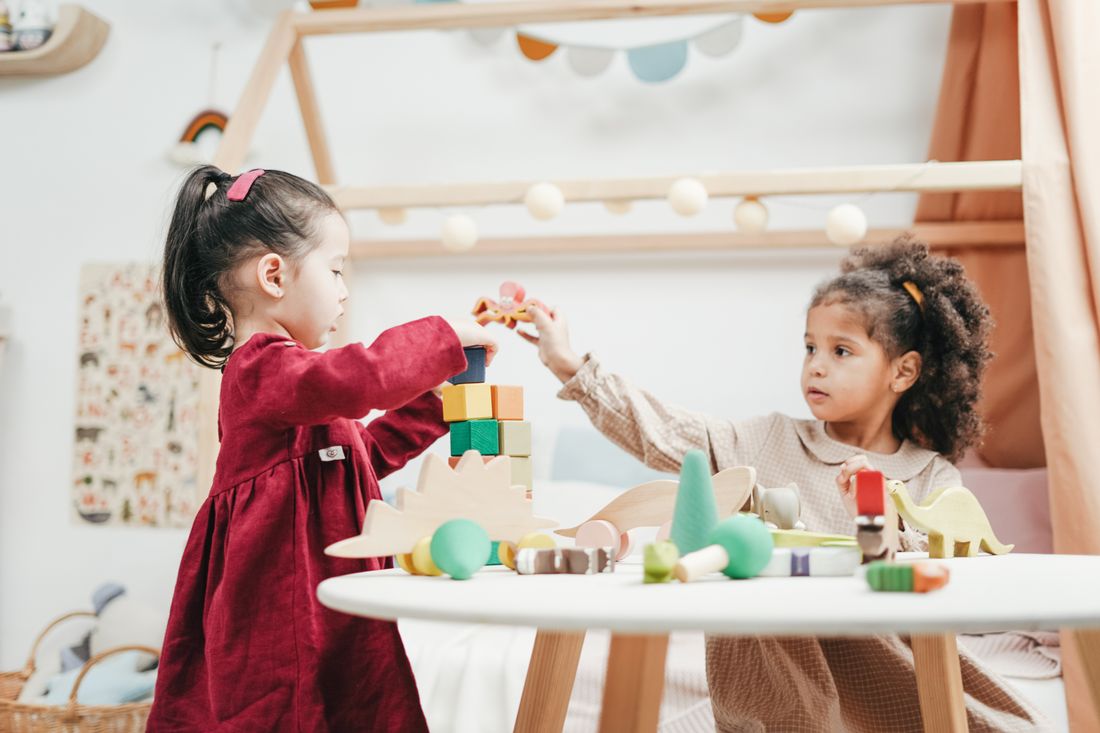
Pretend cooking, blocks, containers, balls, crayons with supervision, sorting large objects, books, songs and household imitation build language and thinking. The best play follows the child's interest and includes another person.
Skills change rapidly from 1 to 3 years. Walking, gestures, pretend play, understanding and words should progress over time, but exact timing varies and corrected age may matter after premature birth.
The child loses a skill, does not respond to sound or name, has no meaningful gestures or words by the expected stage, uses one side much less, cannot walk by 18 months, is very stiff or floppy, or social interaction is limited.
There is a seizure, repeated spasms, sudden unresponsiveness, rapid loss of skills, severe weakness, blue colour, serious head injury, suspected shaking, or the child is difficult to wake.
β What you can do: Make a safe play basket from large clean household objects, rotate items and narrate what the child is doing. Avoid small parts and sharp objects.
β Zango Clinic’s view: At 1β3 years, a spoon, box, ball and responsive adult can teach more than imported flashing toys.
Many walk independently before 18 months. Seek assessment if the child is not walking by 18 months, loses movement, uses one side much less, walks persistently on toes with stiffness, falls unusually often, or cannot rise from the floor.
Skills change rapidly from 1 to 3 years. Walking, gestures, pretend play, understanding and words should progress over time, but exact timing varies and corrected age may matter after premature birth.
The child loses a skill, does not respond to sound or name, has no meaningful gestures or words by the expected stage, uses one side much less, cannot walk by 18 months, is very stiff or floppy, or social interaction is limited.
There is a seizure, repeated spasms, sudden unresponsiveness, rapid loss of skills, severe weakness, blue colour, serious head injury, suspected shaking, or the child is difficult to wake.
β What you can do: Provide safe barefoot indoor practice, record a video of gait and arrange developmental and neurological review when a red flag is present.
β Zango Clinic’s view: At 1β3 years, relatives' comparisons do not diagnose delay; no walking by 18 months, asymmetry or regression needs assessment.
Get face-to-face, follow the child's attention, name what they point to, expand one word into two or three, offer choices and pause for a response. Reading pictures and singing work even when the adult cannot read English.
Skills change rapidly from 1 to 3 years. Walking, gestures, pretend play, understanding and words should progress over time, but exact timing varies and corrected age may matter after premature birth.
The child loses a skill, does not respond to sound or name, has no meaningful gestures or words by the expected stage, uses one side much less, cannot walk by 18 months, is very stiff or floppy, or social interaction is limited.
There is a seizure, repeated spasms, sudden unresponsiveness, rapid loss of skills, severe weakness, blue colour, serious head injury, suspected shaking, or the child is difficult to wake.
β What you can do: Create several ten-minute phone-free talking periods daily and ask all caregivers to respond to gestures and attempts instead of testing the child repeatedly.
β Zango Clinic’s view: At 1β3 years, warm two-way talk in the home language is speech therapy for every child; television is one-way sound.
Concern includes no response to name, little eye contact or shared enjoyment, no pointing to show interest, no pretend play by the later toddler years, repetitive behaviour that limits daily life, loss of words, or seeming not to hear.
Skills change rapidly from 1 to 3 years. Walking, gestures, pretend play, understanding and words should progress over time, but exact timing varies and corrected age may matter after premature birth.
The child loses a skill, does not respond to sound or name, has no meaningful gestures or words by the expected stage, uses one side much less, cannot walk by 18 months, is very stiff or floppy, or social interaction is limited.
There is a seizure, repeated spasms, sudden unresponsiveness, rapid loss of skills, severe weakness, blue colour, serious head injury, suspected shaking, or the child is difficult to wake.
β What you can do: Arrange hearing and developmental assessment early and share specific examples or videos. Do not wait because relatives say boys always speak late.
β Zango Clinic’s view: At 1β3 years, early assessment supports the child and family; autism or hearing concerns are not caused by bad parenting or bilingual homes.
Screens do not replace human interaction. For one-year-olds sedentary screen viewing is not recommended; from age 2, keep it very limited, choose high-quality content and co-view. Video calls are different because they are interactive.
Skills change rapidly from 1 to 3 years. Walking, gestures, pretend play, understanding and words should progress over time, but exact timing varies and corrected age may matter after premature birth.
The child loses a skill, does not respond to sound or name, has no meaningful gestures or words by the expected stage, uses one side much less, cannot walk by 18 months, is very stiff or floppy, or social interaction is limited.
There is a seizure, repeated spasms, sudden unresponsiveness, rapid loss of skills, severe weakness, blue colour, serious head injury, suspected shaking, or the child is difficult to wake.
β What you can do: Remove background TV, keep meals and bedrooms screen-free, and replace videos with conversation, books, movement and pretend play.
β Zango Clinic’s view: At 1β3 years, an English cartoon may keep a child quiet but does not teach communication like a responsive person.
These answers help you know what to watch for at home. When something does not feel right, or a red-flag sign appears, a quick consultation is the safest next step. Book a clinic visit or ask on WhatsApp.
These answers help you know what to watch for. When something does not feel right, a quick consultation is the safest next step.