Parent Questions · Preteen · 10–12 Years
Ten to twelve is exactly the age Pakistan’s HPV vaccination programme targets for girls, a single dose that prevents a cancer decades later. It arrives alongside routine catch-up vaccines and plenty of rumours. This guide explains what is due now, how the HPV vaccine actually works, and answers the myths directly.

Pick the worry that fits your baby and open it for a clear answer, with what is usually normal, when to see a doctor, and when to go straight to hospital.
Pakistan introduced HPV vaccination for girls aged 9–14 through the national programme. Eligibility, location and current dose guidance should be confirmed with the Federal Directorate of Immunization or a qualified clinic.
This may be ordinary at this stage provided a healthy eligible girl receives the advised dose and has only mild short-lived soreness or tiredness.
Ask for medical or developmental advice if the card is unclear, a campaign dose was missed, the child has an immune condition or the family needs individual counselling.
Call emergency help for breathing difficulty, facial swelling, collapse, seizure or profound unresponsiveness follows vaccination.
✅ What you can do: Verify current local availability, take the card and record the vaccine date and site.
⭐ Zango Clinic’s view: At 10–12 years, HPV vaccination is Pakistani cancer prevention—not a judgement about a girl's character or future behaviour.
No credible evidence shows that HPV vaccination causes infertility or changes behaviour. It protects best before exposure to the virus and reduces future cervical and other HPV-related cancers.
Families can usually observe this when families ask sensitive questions and the girl continues normal school and activity after brief expected reactions.
A qualified review is appropriate if fear is delaying vaccination, misinformation is causing family conflict or a health condition may affect scheduling.
Do not wait for a clinic visit if there is a severe allergic reaction, collapse, prolonged seizure or another rapidly worsening event occurs after any vaccine.
✅ What you can do: Discuss cancer prevention in respectful language and check claims against WHO and Pakistan FDI sources.
⭐ Zango Clinic’s view: At 10–12 years, protecting future fertility includes preventing HPV-related disease; the vaccine does not promote sexual activity.
The immune response is strong in the target age group, and vaccination works best before possible HPV exposure. The purpose is prevention years before cancer may develop.
A healthy range can include this if the child is well and the family understands that timing is about immune protection, not assumptions about current behaviour.
Contact the healthcare team when eligibility, previous doses, immune suppression or vaccine availability is uncertain.
Immediate hospital assessment is required for anaphylaxis, shock, breathing compromise or sudden neurological collapse develops.
✅ What you can do: Use the current national schedule, keep documentation and avoid delaying solely because the topic feels embarrassing.
⭐ Zango Clinic’s view: At 10–12 years, early prevention is standard vaccine logic; it does not remove family values or modesty.
Dose recommendations can depend on current national policy, age, immune status and previous vaccination. Pakistan's programme guidance should be checked at the time of vaccination rather than copied from another country or old post.
This is less concerning when the documented course matches the current FDI plan and no extra unverified doses are being added.
Plan an assessment rather than waiting if records conflict, a dose was given elsewhere, the child is immunocompromised or the recommended interval is unclear.
Seek emergency attention after there is a severe immediate reaction or the child becomes critically unwell after a dose.
✅ What you can do: Bring every record to the vaccinator and request the vaccine name, date and written next step.
⭐ Zango Clinic’s view: At 10–12 years, the correct HPV schedule is the current Pakistan schedule—not a WhatsApp image from another year or country.
Yes. School-age review can find missed measles-rubella, polio or other routine doses. A delayed series generally needs catch-up, not automatic restarting.
Many young people experience this while the card clearly documents completion and no catch-up is advised after qualified review.
Bring this to a clinician's attention if the card is lost, entries are uncertain, doses were missed or school and clinic records disagree.
Proceed urgently when the child develops the child develops severe allergy, seizure, collapse, blue colour or extreme drowsiness after vaccination.
✅ What you can do: Keep the original and a photograph, and obtain a dated catch-up plan from an EPI centre.
⭐ Zango Clinic’s view: At 10–12 years, school attendance does not prove vaccination completion; the card remains the reliable history.
When verified public-health campaigns include the child's age or area, campaign doses add community protection and do not replace the routine card-based series.
It is commonly manageable at home when the child participates in an announced campaign and remains well apart from brief expected effects.
Timely outpatient evaluation is needed when the team cannot be verified, eligibility is uncertain, the child has a complex immune condition or routine doses are incomplete.
An emergency response is necessary for collapse, breathing difficulty, severe allergic symptoms, seizure or rapidly worsening illness develops.
✅ What you can do: Confirm official campaign information, record the date and address routine gaps separately.
⭐ Zango Clinic’s view: At 10–12 years, campaign protection and routine vaccination have different jobs; neither should be dismissed through rumour.
Additional vaccines may be advised according to health, travel, outbreaks, school requirements and family resources. Recommendations and products change, so individual review is appropriate.
Variation between children is expected when routine EPI is complete and optional choices are made transparently after discussing benefit and cost.
Request school and health support if the child has chronic disease, travel plans, outbreak exposure or uncertain infection and vaccine history.
Go without delay for a vaccine is followed by anaphylaxis, collapse, severe breathing trouble or prolonged seizure.
✅ What you can do: Ask what disease is prevented, who benefits, the schedule and how the dose will be documented.
⭐ Zango Clinic’s view: At 10–12 years, an optional vaccine should follow risk and evidence—not the belief that private means automatically better.
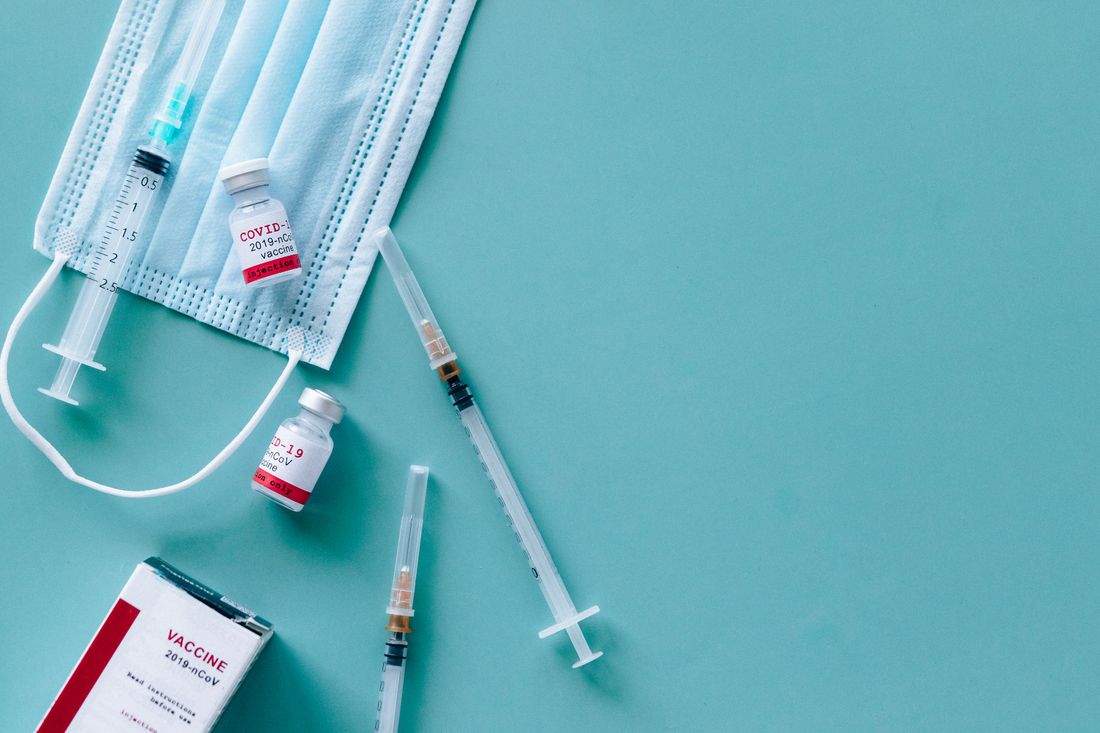
A mild cold or stable allergy often does not require delay. Sore arm, mild fever or tiredness can occur. Moderate or severe illness and some immune conditions need vaccinator assessment.
This can settle naturally if minor symptoms settle in the advised period while the child drinks, breathes comfortably and remains alert.
Consult a suitable professional if fever or swelling worsens, symptoms last longer than expected or a previous serious reaction needs review.
Activate urgent medical help if there is tongue swelling, difficult breathing, fainting, shock, seizure or unresponsiveness occurs.
✅ What you can do: Tell the vaccinator about medicines and allergies, stay for observation and use only recommended pain or fever treatment.
⭐ Zango Clinic’s view: At 10–12 years, mild illness should not create months of delay, but severe reactions must never be called routine.
These answers help you know what to watch for at home. When something does not feel right, or a red-flag sign appears, a quick consultation is the safest next step. Book a clinic visit or ask on WhatsApp.
These answers help you know what to watch for. When something does not feel right, a quick consultation is the safest next step.