Parent Questions · Preteen · 10–12 Years

Sleep, screens and study balance at 10 to 12

Between school, tuition and a first personal phone, sleep is usually what gets sacrificed at this age. Nine to twelve hours of sleep still matters for growth, mood and school performance. This guide covers realistic screen limits, protecting sleep around a busy school and tuition schedule, and making time for physical activity.

Reviewed by Dr. Bilal Ahmad Sethi, Consultant Paediatrician · 7 common questions answered

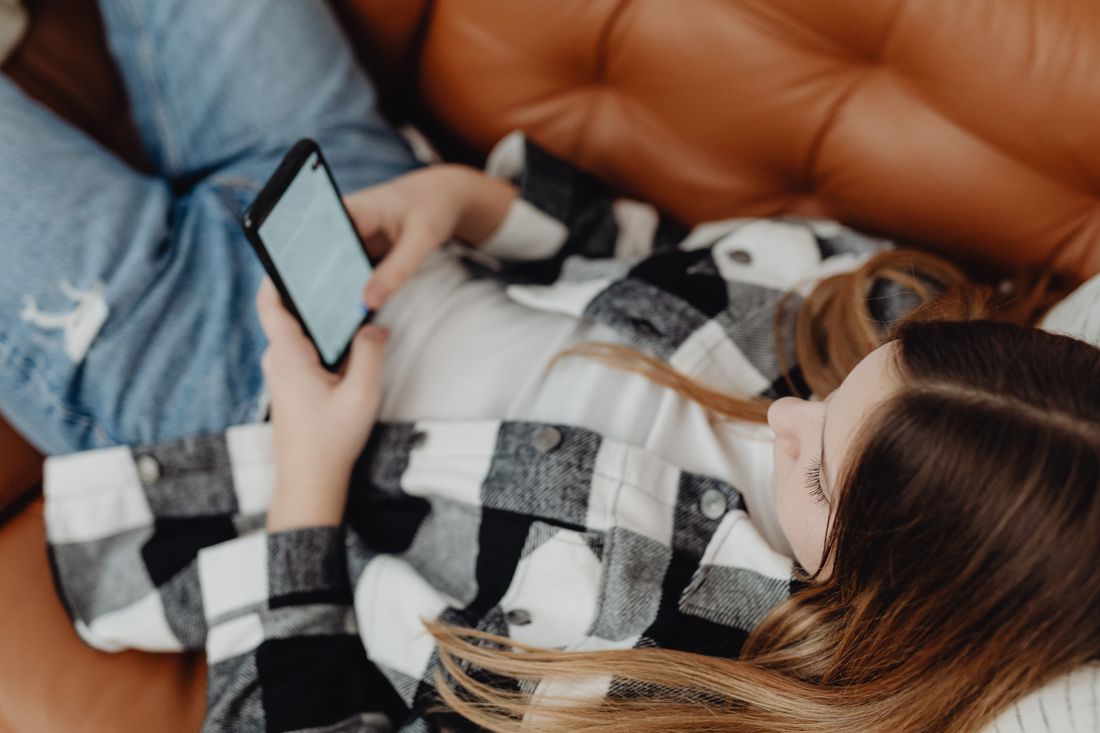
A teenage girl lying on the bed using her phone

Your questions, answered. Tap one to open.

Pick the worry that fits your baby and open it for a clear answer, with what is usually normal, when to see a doctor, and when to go straight to hospital.

Usually normal See a doctor if… Go to hospital now if…
How much sleep does a 10–12-year-old need?

Children aged 6–12 generally need 9–12 hours each night. Adequate sleep supports memory, growth, mood and immunity; a workable schedule begins with the fixed school wake time.

🟢 Usually normal

It can be reassuring when weekend timing shifts modestly but the child is alert, functions well and returns to the school routine.

🟡 See a doctor if

Seek professional assessment when difficulty sleeping, daytime sleepiness, mood change, falling marks or regular sleep-medicine use persists.

🔴 Go to hospital now if

Go to hospital now if there is blue colour, prolonged breathing pauses, seizure, suspected sedative overdose or inability to wake normally develops.

✅ What you can do: Work backward from wake time, create a quiet final hour and keep caffeine, phones and late tuition away from bed.

⭐ Zango Clinic’s view: At 10–12 years, nine to twelve hours is a health need; late adult routines should not become the child's daily sleep loss.

How can study, tuition and family events fit without chronic late nights?

Homework and tuition should leave room for sleep, meals, movement and family connection. Long hours do not guarantee learning when the child is exhausted.

🟢 Usually normal

A common age-related pattern is that an occasional late event is followed by recovery and the usual schedule remains protected.

🟡 See a doctor if

Discuss it with the child's clinician if the child routinely studies past bedtime, cannot wake, develops headaches, anxiety, irritability or falling performance.

🔴 Go to hospital now if

Arrange urgent transport for collapse, severe chest symptoms, acute confusion, seizure or stimulant overdose occurs during prolonged study.

✅ What you can do: Prioritise essential work, use shorter focused blocks and discuss excessive assignments or multiple tuitions with school.

⭐ Zango Clinic’s view: At 10–12 years, sleep is part of studying; an exhausted child can spend more hours and remember less.

How should we set screen and social-media rules?

Use a family plan that protects sleep, activity, study, meals and relationships. Review content, contacts, privacy, autoplay and notifications; many social platforms are not designed for this age.

🟢 Usually normal

Normal development may include this when selected media is used openly, stops with agreed limits and does not crowd out daily life.

🟡 See a doctor if

Book a non-emergency appointment when use becomes secretive or uncontrollable, sleep or grades fall, strangers make contact or online conflict causes distress.

🔴 Go to hospital now if

Treat the situation as an emergency when there is sexual blackmail, planned meeting, dangerous challenge, suicide instruction or credible threat is present.

✅ What you can do: Keep devices out of bedrooms, use parental controls, co-view, disable purchases and review the plan as maturity changes.

⭐ Zango Clinic’s view: At 10–12 years, a screen limit without contact and content supervision is only half a safety plan.
Is my child ready for a personal phone?

Readiness depends on genuine need, judgement, supervision and family ability to manage cost, privacy, school rules and nighttime access. A phone is not required for confidence or modern parenting.

🟢 Usually normal

This may be ordinary at this stage provided shared or limited device use meets communication needs under clear adult oversight.

🟡 See a doctor if

Ask for medical or developmental advice if the child bypasses controls, hides accounts, spends money, contacts strangers or becomes highly distressed without the device.

🔴 Go to hospital now if

Call emergency help for grooming, blackmail, location exposure, imminent meeting, exploitation or self-harm content creates active danger.

✅ What you can do: Start with the least capable option, create a written agreement and use a family pickup and emergency plan.

⭐ Zango Clinic’s view: At 10–12 years, giving a phone means giving access to people, money and adult content; readiness must precede ownership.

How can study breaks improve attention?

Most preteens focus better in manageable blocks with movement, water and a clear task. Multitasking with messages or video usually weakens learning even when the child feels productive.

🟢 Usually normal

Families can usually observe this when attention varies by subject and improves after a brief break or clearer instruction.

🟡 See a doctor if

A qualified review is appropriate if concentration problems occur across home and school, persist despite sleep and teaching support, or impair daily function.

🔴 Go to hospital now if

Do not wait for a clinic visit if there is sudden confusion, loss of skills, seizure, severe headache with vomiting or one-sided weakness appears.

✅ What you can do: Use a timer, remove notifications, define one task and include a five-minute movement break between blocks.

⭐ Zango Clinic’s view: At 10–12 years, attention is supported by structure and rest; longer punishment sessions rarely create better focus.

When are snoring, caffeine or daytime tiredness concerning?

Loud habitual snoring, breathing pauses, energy drinks, late tea or coffee and insufficient sleep can all cause daytime tiredness and poor concentration.

🟢 Usually normal

This is less concerning when brief tiredness follows an unusual late night and resolves after adequate sleep without snoring or breathing symptoms.

🟡 See a doctor if

Plan an assessment rather than waiting if snoring is frequent, pauses are witnessed, morning headaches occur, caffeine use grows or tiredness affects school and mood.

🔴 Go to hospital now if

Seek emergency attention after prolonged breathing pauses, blue lips, collapse, dangerous palpitations, seizure or suspected stimulant overdose develops.

✅ What you can do: Record sleep sounds, stop energy drinks, move caffeine earlier or remove it and seek sleep assessment for habitual snoring.

⭐ Zango Clinic’s view: At 10–12 years, snoring is not deep healthy sleep and energy drinks do not repair sleep debt.

When to see Dr. Sethi

These answers help you know what to watch for at home. When something does not feel right, or a red-flag sign appears, a quick consultation is the safest next step. Book a clinic visit or ask on WhatsApp.

More newborn topics

Still worried? Talk to Dr. Sethi.

These answers help you know what to watch for. When something does not feel right, a quick consultation is the safest next step.