Parent Questions · Preteen · 10–12 Years

School performance and stress at 10 to 12

School pressure genuinely intensifies around this age, board-style exams, tuition stacked after school hours, and comparison with cousins and classmates. A sudden drop in grades or constant exam dread is worth listening to, not just scolding. This guide covers normal school stress, attention and learning difficulties, and when assessment helps.

Reviewed by Dr. Bilal Ahmad Sethi, Consultant Paediatrician · 7 common questions answered

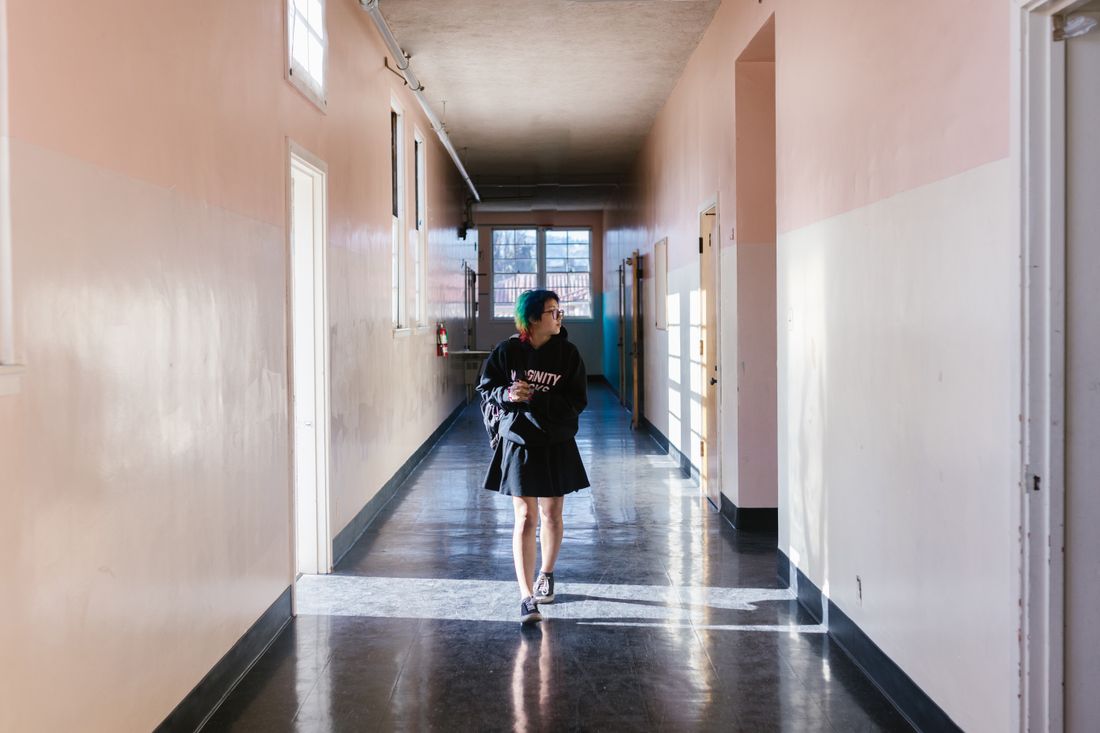
A student walking through a school hallway

Your questions, answered. Tap one to open.

Pick the worry that fits your baby and open it for a clear answer, with what is usually normal, when to see a doctor, and when to go straight to hospital.

Usually normal See a doctor if… Go to hospital now if…
What academic progress is realistic at 10–12 years?

Children develop reading comprehension, written expression, maths reasoning, planning and independence at different rates. Language of instruction, school quality, attendance and health strongly affect performance.

🟢 Usually normal

This is less concerning when strengths vary by subject and the child improves with suitable teaching and practice.

🟡 See a doctor if

Plan an assessment rather than waiting if progress stalls, skills are lost, work remains far below instruction or teacher concerns persist across terms.

🔴 Go to hospital now if

Seek emergency attention after there is sudden loss of speech or learning, seizure, severe headache with vomiting, confusion or one-sided weakness.

✅ What you can do: Review work samples and the child's own trend, not only class rank, and meet the teacher around specific skills.

⭐ Zango Clinic’s view: At 10–12 years, marks measure a moment; learning opportunity, language and health determine the fuller picture.

Could inattention be ADHD or simply stress and sleep loss?

ADHD requires persistent symptoms and impairment in more than one setting. Sleep deprivation, anxiety, depression, learning difficulty, hearing, vision and classroom mismatch can look similar.

🟢 Usually normal

Many young people experience this while focus varies with interest and improves after sleep, movement or clearer instruction.

🟡 See a doctor if

Bring this to a clinician's attention if problems persist at home and school, disrupt learning or friendships, or coexist with emotional or developmental concerns.

🔴 Go to hospital now if

Proceed urgently when the child develops dangerous impulsivity causes serious injury, ingestion, violence, acute confusion or suicidal risk.

✅ What you can do: Collect examples from teachers and family, correct sleep and vision issues and seek a structured evaluation before medicine.

⭐ Zango Clinic’s view: At 10–12 years, distractibility is a symptom—not a diagnosis or proof of lazy parenting.

Could dyslexia or another learning difficulty appear now?

Increasing school demands can expose earlier hidden reading, writing, maths or language difficulties. These are not caused by low intelligence, bilingual homes or lack of punishment.

🟢 Usually normal

It is commonly manageable at home when one subject remains harder but progress continues with appropriate instruction.

🟡 See a doctor if

Timely outpatient evaluation is needed when a persistent gap causes distress, avoidance or failure despite teaching and practice.

🔴 Go to hospital now if

An emergency response is necessary for previously learned skills disappear suddenly or acute neurological symptoms follow injury or illness.

✅ What you can do: Request educational, hearing, vision and developmental assessment and protect the child from public reading or copying punishment.

⭐ Zango Clinic’s view: At 10–12 years, a learning difference needs targeted teaching—not shame, labels or endless tuition of the same method.

How can parents reduce exam stress?

Some stress can motivate preparation, but panic, sleep loss, physical symptoms and threats about family honour impair performance. Study plans should include rest, food and movement.

🟢 Usually normal

Variation between children is expected when nervousness is brief and the child still sleeps, eats and sits the exam.

🟡 See a doctor if

Request school and health support if anxiety causes repeated pain, avoidance, insomnia, vomiting, blanking out or persistent family conflict.

🔴 Go to hospital now if

Go without delay for the child threatens suicide, self-harms, collapses, overdoses or becomes severely agitated or confused.

✅ What you can do: Break revision into small tasks, practise the exam routine and state clearly that safety and love do not depend on marks.

⭐ Zango Clinic’s view: At 10–12 years, an exam is important but never more important than the child's life, sleep or dignity.

How much tuition and homework is too much?

Extra teaching helps only when it addresses a defined need and still leaves sleep, meals, movement and connection. Hours of repeated worksheets may hide an unrecognised learning problem.

🟢 Usually normal

This can settle naturally if short extra support improves a specific skill without exhausting the child.

🟡 See a doctor if

Consult a suitable professional if work routinely lasts late, requires adult completion, triggers panic or removes all play and sleep.

🔴 Go to hospital now if

Activate urgent medical help if there is beating, collapse, stimulant misuse, runaway danger or immediate self-harm threats occur around study.

✅ What you can do: Clarify school expectations, cap study time and replace duplicate tuition with targeted assessment or teaching.

⭐ Zango Clinic’s view: At 10–12 years, more tuition is not automatically more learning; exhausted repetition can deepen failure and resentment.

Can vision or hearing problems lower marks?

Yes. Squinting, copying errors, headaches, missed instructions, loud speech or sitting very near can signal a problem in one or both eyes or ears.

🟢 Usually normal

This is often within expected variation when temporary eye tiredness after close work or requests for repetition in noise settle without daily impairment.

🟡 See a doctor if

Arrange a clinical review if screening is failed, symptoms persist, ear disease recurs or teachers notice consistent difficulty.

🔴 Go to hospital now if

Use emergency care immediately for sudden vision or hearing loss, severe eye pain, chemical injury, facial weakness or neurological change occurs.

✅ What you can do: Arrange formal screening and appropriate seating; do not buy glasses or hearing devices without examination.

⭐ Zango Clinic’s view: At 10–12 years, a child called careless may simply not see the board or hear instructions clearly.

What if my child refuses school or has symptoms only on school days?

School avoidance can cause genuine headache, stomach pain, nausea and dizziness and may relate to anxiety, bullying, harsh teaching, learning difficulty, unsafe transport or illness.

🟢 Usually normal

It can be reassuring when brief reluctance after a holiday or change improves with a predictable supported return.

🟡 See a doctor if

Seek professional assessment when absence repeats, symptoms cluster on school days, grades fall or the child names fear, humiliation or harm.

🔴 Go to hospital now if

Go to hospital now if there is there is abuse disclosure, severe assault, suicidal intent, abduction risk, collapse or acute medical illness.

✅ What you can do: Listen privately, keep a diary and coordinate health, safety and a prompt return plan with school.

⭐ Zango Clinic’s view: At 10–12 years, school refusal is communication; punishment can bury bullying, learning needs or real illness.
When to see Dr. Sethi

These answers help you know what to watch for at home. When something does not feel right, or a red-flag sign appears, a quick consultation is the safest next step. Book a clinic visit or ask on WhatsApp.

More newborn topics

Still worried? Talk to Dr. Sethi.

These answers help you know what to watch for. When something does not feel right, a quick consultation is the safest next step.