Parent Questions Β· Infant Β· 7–9 Months

Safe water, clean hands: food hygiene for your baby

At this age babies eat more, touch everything, and put all of it in their mouths, which makes hygiene the cheapest medicine in the house. Boiled or filtered water, washed hands before every feed, covered food in fly season. This guide turns food and water safety into a simple routine any household can keep.

Reviewed by Dr. Bilal Ahmad Sethi, Consultant Paediatrician Β· 7 common questions answered

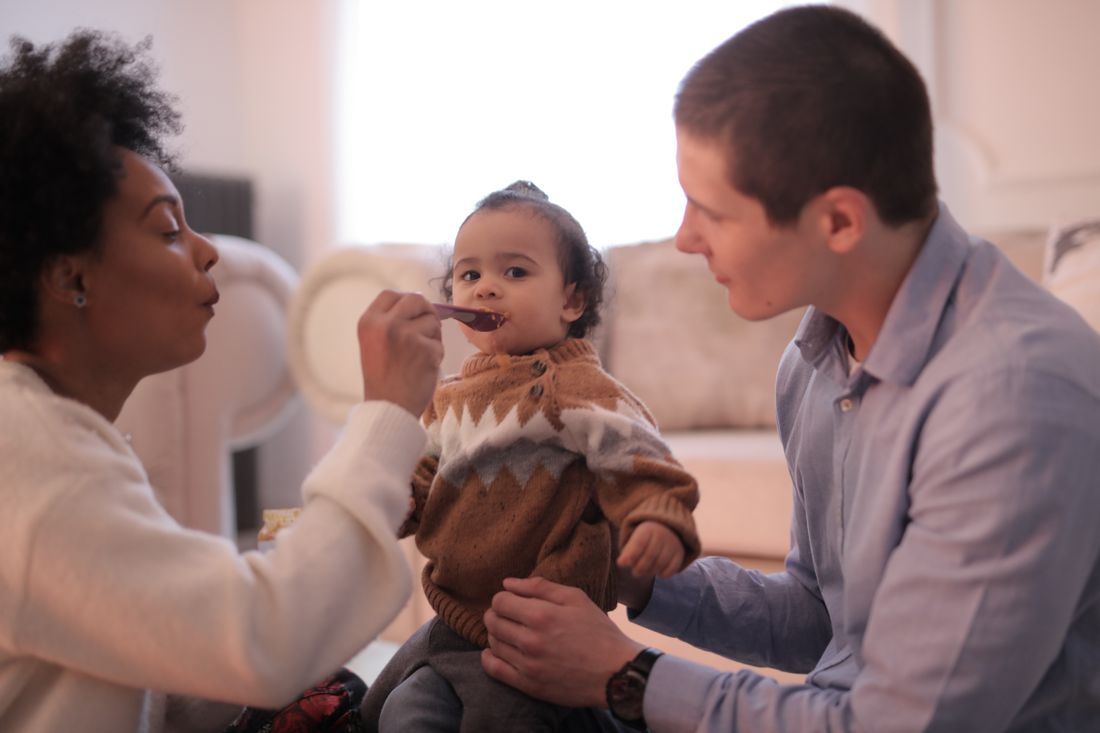
A baby being fed with clean utensils

Your questions, answered. Tap one to open.

Pick the worry that fits your baby and open it for a clear answer, with what is usually normal, when to see a doctor, and when to go straight to hospital.

Usually normal See a doctor if… Go to hospital now if…
What water is safe for my baby's food and drink?

Use water from a source known to be safe. Where water quality is uncertain, follow local public-health advice for boiling and safe cooling; store it covered in a clean container and pour rather than dipping cups or hands inside.

🟒 Usually normal

Safe feeding uses washed hands, safe water, clean preparation surfaces, separate clean utensils and properly stored food. Bottles and teats still need meticulous cleaning and sterilisation; prepared food should not sit warm for hours.

🟑 See a doctor if

Safe water or refrigeration is unreliable, caregivers are unsure about formula or food storage, equipment cannot be cleaned, or the baby has recurrent diarrhoea, vomiting, thrush, mouth sores or poor growth.

πŸ”΄ Go to hospital now if

Vomiting or diarrhoea causes no urine for many hours, sunken eyes, dry mouth, marked sleepiness, blood in stool, inability to drink, cold mottled skin, severe abdominal swelling or breathing difficulty.

βœ… What you can do: Check the household source, clean storage tank and container, and make one safe-water plan all caregivers follow. Do not assume clear water is germ-free.

⭐ Zango Clinic’s view: At 7–9 months, Pakistan's water source and storage are part of feeding safety; contamination often happens after water reaches the home.

When must adults and the baby wash hands?

Adults should wash with soap before preparing or feeding food and after toilet use, nappy changes, handling raw meat, animals, rubbish or outdoor shoes. Wash the baby's hands before self-feeding and after floor play.

🟒 Usually normal

Safe feeding uses washed hands, safe water, clean preparation surfaces, separate clean utensils and properly stored food. Bottles and teats still need meticulous cleaning and sterilisation; prepared food should not sit warm for hours.

🟑 See a doctor if

Safe water or refrigeration is unreliable, caregivers are unsure about formula or food storage, equipment cannot be cleaned, or the baby has recurrent diarrhoea, vomiting, thrush, mouth sores or poor growth.

πŸ”΄ Go to hospital now if

Vomiting or diarrhoea causes no urine for many hours, sunken eyes, dry mouth, marked sleepiness, blood in stool, inability to drink, cold mottled skin, severe abdominal swelling or breathing difficulty.

βœ… What you can do: Keep soap and safe water near the cooking and changing areas, trim nails and teach every caregiver the same routine.

⭐ Zango Clinic’s view: At 7–9 months, clean hands are more protective than a beautifully sterilised bowl handled after a nappy change.

How should bowls, spoons and cups be cleaned?

Wash promptly with hot safe water and detergent, scrub all surfaces, rinse safely and air-dry on a clean rack. Use a separate clean utensil for the baby; cracked plastic, deep scratches and shared tasting spoons trap germs.

🟒 Usually normal

Safe feeding uses washed hands, safe water, clean preparation surfaces, separate clean utensils and properly stored food. Bottles and teats still need meticulous cleaning and sterilisation; prepared food should not sit warm for hours.

🟑 See a doctor if

Safe water or refrigeration is unreliable, caregivers are unsure about formula or food storage, equipment cannot be cleaned, or the baby has recurrent diarrhoea, vomiting, thrush, mouth sores or poor growth.

πŸ”΄ Go to hospital now if

Vomiting or diarrhoea causes no urine for many hours, sunken eyes, dry mouth, marked sleepiness, blood in stool, inability to drink, cold mottled skin, severe abdominal swelling or breathing difficulty.

βœ… What you can do: Keep one simple clean feeding set and inspect it regularly. Do not wipe it with a used kitchen cloth or rinse only in a communal basin.

⭐ Zango Clinic’s view: At 7–9 months, a basic metal bowl, spoon and cup can be safer than complicated equipment if they are washed and air-dried correctly.

Do bottles and teats still need sterilising?

Yes. Bottles, teats, caps and feeding equipment should be fully dismantled, cleaned and sterilised according to reliable guidance through at least 12 months. Sterilising does not remove old milk, so washing comes first.

🟒 Usually normal

Safe feeding uses washed hands, safe water, clean preparation surfaces, separate clean utensils and properly stored food. Bottles and teats still need meticulous cleaning and sterilisation; prepared food should not sit warm for hours.

🟑 See a doctor if

Safe water or refrigeration is unreliable, caregivers are unsure about formula or food storage, equipment cannot be cleaned, or the baby has recurrent diarrhoea, vomiting, thrush, mouth sores or poor growth.

πŸ”΄ Go to hospital now if

Vomiting or diarrhoea causes no urine for many hours, sunken eyes, dry mouth, marked sleepiness, blood in stool, inability to drink, cold mottled skin, severe abdominal swelling or breathing difficulty.

βœ… What you can do: Use steam, boiling or correctly diluted cold-water sterilising solution; follow time instructions and keep equipment covered until needed.

⭐ Zango Clinic’s view: At 7–9 months, bottle sterilisation still matters, especially where water and refrigeration are uncertain; quick rinsing is not enough.
How long can cooked baby food be kept?

Freshly cooked food is safest. Cool leftovers quickly, refrigerate promptly in a clean covered container, reheat once until steaming throughout, then cool before feeding. Discard food from the baby's used bowl and food left warm for hours.

🟒 Usually normal

Safe feeding uses washed hands, safe water, clean preparation surfaces, separate clean utensils and properly stored food. Bottles and teats still need meticulous cleaning and sterilisation; prepared food should not sit warm for hours.

🟑 See a doctor if

Safe water or refrigeration is unreliable, caregivers are unsure about formula or food storage, equipment cannot be cleaned, or the baby has recurrent diarrhoea, vomiting, thrush, mouth sores or poor growth.

πŸ”΄ Go to hospital now if

Vomiting or diarrhoea causes no urine for many hours, sunken eyes, dry mouth, marked sleepiness, blood in stool, inability to drink, cold mottled skin, severe abdominal swelling or breathing difficulty.

βœ… What you can do: Prepare small portions, label time, keep the refrigerator cold and throw away food after a prolonged power cut or uncertain storage rather than tasting it.

⭐ Zango Clinic’s view: At 7–9 months, power cuts and hot weather shorten the safety margin; small fresh batches are often the safest Pakistani household strategy.

Is fresh farm milk or unboiled milk safe in food?

Unpasteurised milk can carry serious infection. Milk used in cooking should be pasteurised or thoroughly boiled according to local guidance. Cow or buffalo milk still should not be the main drink before 12 months.

🟒 Usually normal

Safe feeding uses washed hands, safe water, clean preparation surfaces, separate clean utensils and properly stored food. Bottles and teats still need meticulous cleaning and sterilisation; prepared food should not sit warm for hours.

🟑 See a doctor if

Safe water or refrigeration is unreliable, caregivers are unsure about formula or food storage, equipment cannot be cleaned, or the baby has recurrent diarrhoea, vomiting, thrush, mouth sores or poor growth.

πŸ”΄ Go to hospital now if

Vomiting or diarrhoea causes no urine for many hours, sunken eyes, dry mouth, marked sleepiness, blood in stool, inability to drink, cold mottled skin, severe abdominal swelling or breathing difficulty.

βœ… What you can do: Check the source, boil loose milk appropriately and keep it cold after cooling. Avoid raw-milk yogurt or cream for the baby.

⭐ Zango Clinic’s view: At 7–9 months, 'fresh from the animal' does not mean germ-free; safe heat treatment is essential.

Can relatives share spoons, pre-chew food or blow on it?

No. Shared spoons, tasting then reusing, pre-chewing and blowing can transfer saliva germs that cause dental decay, respiratory infection or other illness. A baby needs a separate clean spoon and food cooled safely.

🟒 Usually normal

Safe feeding uses washed hands, safe water, clean preparation surfaces, separate clean utensils and properly stored food. Bottles and teats still need meticulous cleaning and sterilisation; prepared food should not sit warm for hours.

🟑 See a doctor if

Safe water or refrigeration is unreliable, caregivers are unsure about formula or food storage, equipment cannot be cleaned, or the baby has recurrent diarrhoea, vomiting, thrush, mouth sores or poor growth.

πŸ”΄ Go to hospital now if

Vomiting or diarrhoea causes no urine for many hours, sunken eyes, dry mouth, marked sleepiness, blood in stool, inability to drink, cold mottled skin, severe abdominal swelling or breathing difficulty.

βœ… What you can do: Serve a separate portion, cool it by stirring or placing the bowl in cool water, and explain the rule respectfully to all caregivers.

⭐ Zango Clinic’s view: At 7–9 months, affection should not require saliva sharing; a separate spoon protects the baby without disrespecting grandparents.

When to see Dr. Sethi

These answers help you know what to watch for at home. When something does not feel right, or a red-flag sign appears, a quick consultation is the safest next step. Book a clinic visit or ask on WhatsApp.

More newborn topics

Still worried? Talk to Dr. Sethi.

These answers help you know what to watch for. When something does not feel right, a quick consultation is the safest next step.