Parent Questions Β· Newborn Β· Birthβ7 Days
It surprises many parents that newborns usually lose a little weight in the first days, and that this is normal. Most are back to their birth weight by about two weeks, and from there a steady upward trend matters far more than any single reading. This guide explains what healthy weight gain looks like and when slow gain needs a closer look.

Pick the worry that fits your baby and open it for a clear answer, with what is usually normal, when to see a doctor, and when to go straight to hospital.
Some weight loss is expected after birth because babies body lose extra fluid which they have in mothers womb. Weight must be interpreted with feeding, urine, stools, gestation and the baby's condition.
A modest early loss followed by stabilisation and gradual regain, with good feeding and increasing wet nappies.
Weight loss approaches or exceeds about 10%, birth weight is not regained by around two weeks, feeding is ineffective, jaundice increases or urine is reduced.
Poor feeding with marked sleepiness, no urine for many hours, dry mouth, repeated vomiting, abnormal breathing or a very unwell appearance.
β What you can do: Arrange a supervised feed and an accurate naked weight on the same reliable scale. Feed frequently and correct latch problems early.
β Zango Clinic’s view: The number on the scale matters, but the pattern plus feeding and urine output matter more. Always use a scale to make an assessment. Visual cues are not enough.
Some weight loss is expected after birth because babies lose extra fluid. Weight must be interpreted with feeding, urine, stools, gestation and the baby's condition.
A modest early loss followed by stabilisation and gradual regain, with good feeding and increasing wet nappies.
Weight loss approaches or exceeds about 10%, birth weight is not regained by around two weeks, feeding is ineffective, jaundice increases or urine is reduced.
Poor feeding with marked sleepiness, no urine for many hours, dry mouth, repeated vomiting, abnormal breathing or a very unwell appearance.
β What you can do: Arrange a supervised feed and an accurate naked weight on the same reliable scale. Feed frequently and correct latch problems early.
β Zango Clinic’s view: The number on the scale matters, but the pattern plus feeding and urine output matter more.
Some weight loss is expected after birth because babies lose extra fluid. Weight must be interpreted with feeding, urine, stools, gestation and the baby's condition.
A modest early loss followed by stabilisation and gradual regain, with good feeding and increasing wet nappies.
Weight loss approaches or exceeds about 10%, birth weight is not regained by around two weeks, feeding is ineffective, jaundice increases or urine is reduced.
Poor feeding with marked sleepiness, no urine for many hours, dry mouth, repeated vomiting, abnormal breathing or a very unwell appearance.
β What you can do: Arrange a supervised feed and an accurate naked weight on the same reliable scale. Feed frequently and correct latch problems early.
β Zango Clinic’s view: The number on the scale matters, but the pattern plus feeding and urine output matter more. Always keep record of birth weight as it is used as reference.
Some weight loss is expected after birth because babies lose extra fluid. Weight must be interpreted with feeding, urine, stools, gestation and the baby's condition.
A modest early loss followed by stabilisation and gradual regain, with good feeding and increasing wet nappies.
Weight loss approaches or exceeds about 10%, birth weight is not regained by around two weeks, feeding is ineffective, jaundice increases or urine is reduced.
Poor feeding with marked sleepiness, no urine for many hours, dry mouth, repeated vomiting, abnormal breathing or a very unwell appearance.
β What you can do: Arrange a supervised feed and an accurate naked weight on the same reliable scale. Feed frequently and correct latch problems early.
β Zango Clinic’s view: The number on the scale matters, but the pattern plus feeding and urine output matter more. if unsure always get a weight checked and campare with birth weight.
A baby may be naturally small, premature or growth-restricted. Appearance alone cannot determine whether the size is healthy; birth weight, gestation and growth trend are needed.
A modest early loss followed by stabilisation and gradual regain, with good feeding and increasing wet nappies.
The baby was low birth weight, premature, has poor feeding, low temperature, low sugar concerns or has not had postnatal follow-up.
Poor feeding with marked sleepiness, no urine for many hours, dry mouth, repeated vomiting, abnormal breathing or a very unwell appearance.
β What you can do: Arrange a supervised feed and an accurate naked weight on the same reliable scale. Feed frequently and correct latch problems early.
β Zango Clinic’s view: Small babies often do well, but they need closer attention to feeding, warmth and more regular follow up with the doctor with repeated weight assessment till satisfactory growth trajectory achieved
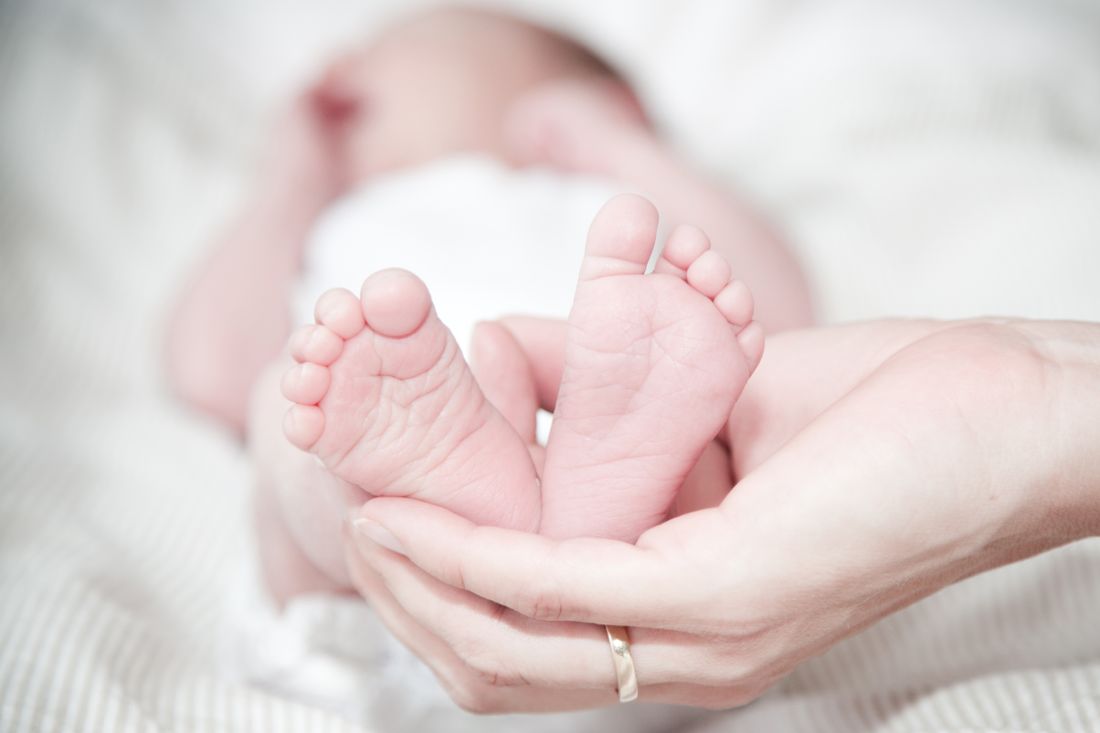
Daily home weighing is usually unnecessary and can increase anxiety. Weight should be checked at planned newborn follow-up or sooner if feeding or hydration is a concern.
A modest early loss followed by stabilisation and gradual regain, with good feeding and increasing wet nappies.
Weight loss approaches or exceeds about 10%, birth weight is not regained by around two weeks, feeding is ineffective, jaundice increases or urine is reduced.
Poor feeding with marked sleepiness, no urine for many hours, dry mouth, repeated vomiting, abnormal breathing or a very unwell appearance.
β What you can do: Arrange a supervised feed and an accurate naked weight on the same reliable scale. Feed frequently and correct latch problems early.
β Zango Clinic’s view: Use consistent, clinically supervised weights rather than frequent measurements on different scales.
Some weight loss is expected after birth because babies lose extra fluid. Weight must be interpreted with feeding, urine, stools, gestation and the baby's condition.
A modest early loss followed by stabilisation and gradual regain, with good feeding and increasing wet nappies.
Weight loss approaches or exceeds about 10%, birth weight is not regained by around two weeks, feeding is ineffective, jaundice increases or urine is reduced.
Poor feeding with marked sleepiness, no urine for many hours, dry mouth, repeated vomiting, abnormal breathing or a very unwell appearance.
β What you can do: Arrange a supervised feed and an accurate naked weight on the same reliable scale. Feed frequently and correct latch problems early.
β Zango Clinic’s view: The number on the scale matters, but the pattern plus feeding and urine output matter more.
There is no single daily target for every baby in the first week. The first goal is to stop excessive loss, establish feeding and begin regaining birth weight.
A modest early loss followed by stabilisation and gradual regain, with good feeding and increasing wet nappies.
Weight loss approaches or exceeds about 10%, birth weight is not regained by around two weeks, feeding is ineffective, jaundice increases or urine is reduced.
Poor feeding with marked sleepiness, no urine for many hours, dry mouth, repeated vomiting, abnormal breathing or a very unwell appearance.
β What you can do: Arrange a supervised feed and an accurate naked weight on the same reliable scale. Feed frequently and correct latch problems early.
β Zango Clinic’s view: Focus on the trend and the baby's clinical signs, not a rigid daily number.
Some weight loss is expected after birth because babies lose extra fluid. Weight must be interpreted with feeding, urine, stools, gestation and the baby's condition.
A modest early loss followed by stabilisation and gradual regain, with good feeding and increasing wet nappies.
Weight loss approaches or exceeds about 10%, birth weight is not regained by around two weeks, feeding is ineffective, jaundice increases or urine is reduced.
Poor feeding with marked sleepiness, no urine for many hours, dry mouth, repeated vomiting, abnormal breathing or a very unwell appearance.
β What you can do: Arrange a supervised feed and an accurate naked weight on the same reliable scale. Feed frequently and correct latch problems early.
β Zango Clinic’s view: The number on the scale matters, but the pattern plus feeding and urine output matter more.
Some weight loss is expected after birth because babies lose extra fluid. Weight must be interpreted with feeding, urine, stools, gestation and the baby's condition.
A modest early loss followed by stabilisation and gradual regain, with good feeding and increasing wet nappies.
Weight loss approaches or exceeds about 10%, birth weight is not regained by around two weeks, feeding is ineffective, jaundice increases or urine is reduced.
Poor feeding with marked sleepiness, no urine for many hours, dry mouth, repeated vomiting, abnormal breathing or a very unwell appearance.
β What you can do: Arrange a supervised feed and an accurate naked weight on the same reliable scale. Feed frequently and correct latch problems early.
β Zango Clinic’s view: The number on the scale matters, but the pattern plus feeding and urine output matter more. Always consult your doctor if you not satisfied for weight check and your concerns.
These answers help you know what to watch for at home. When something does not feel right, or a red-flag sign appears, a quick consultation is the safest next step. Book a clinic visit or ask on WhatsApp.
These answers help you know what to watch for. When something does not feel right, a quick consultation is the safest next step.