Parent Questions Β· Newborn Β· 8β14 Days
By around two weeks most babies are back to their birth weight, and from here they gain steadily, roughly 150 to 200 grams a week in the early months. One reading matters less than the trend. This guide explains what healthy gain looks like now, when to re-weigh, and when slow gain needs a closer look.
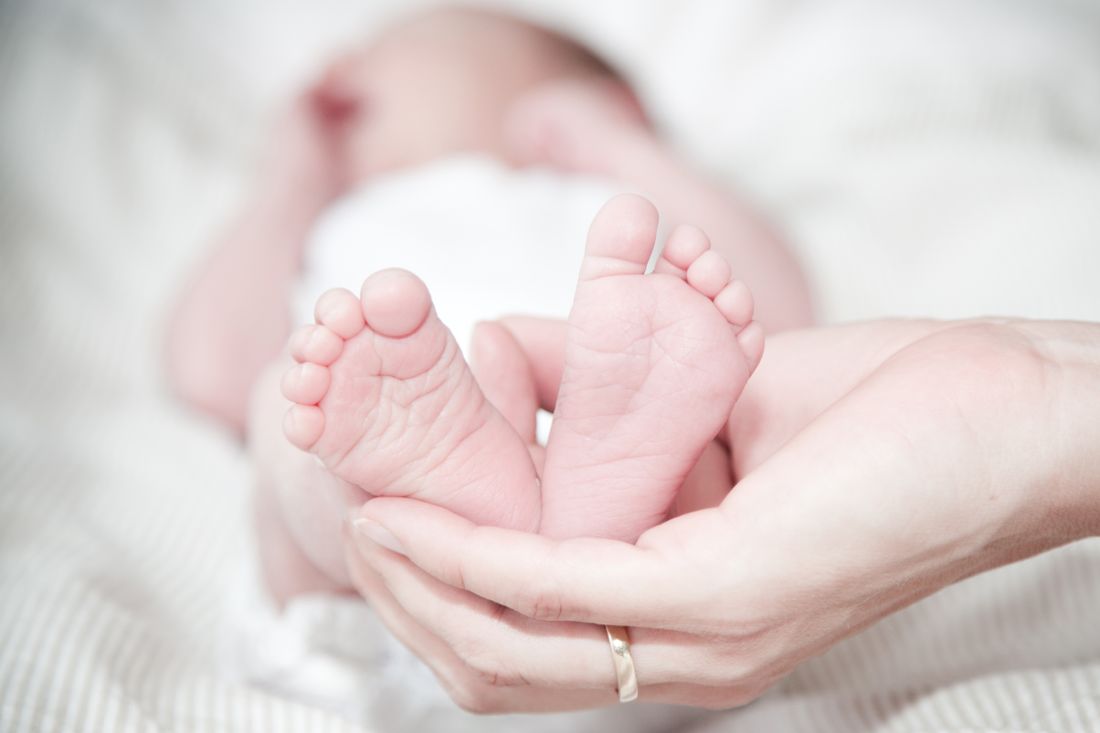
Pick the worry that fits your baby and open it for a clear answer, with what is usually normal, when to see a doctor, and when to go straight to hospital.
Most babies lose up to 7β10% of their birth weight in the first days of life and regain it by day 10β14. This is a routine check done at your follow-up visit.
Weight has been trending upward since around day 4β5.
Birth weight has not been regained by day 14, or your baby has not had a weight check yet.
Baby looks lethargic, is feeding very poorly, or shows signs of dehydration (very few wet nappies, sunken soft spot, dry mouth).
β What you can do: Attend the scheduled weight check. Keep a simple record of wet/dirty nappies and feeds between visits.
β Zango Clinic’s view: Home kitchen scales are not accurate enough to track newborn weight. Rely on the clinic's calibrated scale rather than reacting to numbers from a bathroom scale.
After regaining birth weight, babies typically gain around 20-30 grams per day (roughly 150-200g per week) in the early weeks.
Weight gain is roughly in this range at scheduled checks.
Weight gain is notably below this range at two consecutive checks.
Baby is losing weight, or showing signs of dehydration or lethargy.
β What you can do: Feed on demand and attend all scheduled weight checks β trend over several visits matters more than any single number.
β Zango Clinic’s view: A single low or high number at one visit is rarely meaningful on its own β your doctor will look at the pattern over several visits.
This depends on your baby's previous weight and your doctor's advice, but a common schedule at this age is a check around 2 weeks, then again at the 6-week visit.
Not applicable β this is a scheduling question.
You're unsure of your baby's next check date.
Not applicable.
β What you can do: Check your vaccination/growth card or ask your clinic for the recommended date for your baby specifically.
β Zango Clinic’s view: Frequent home weighing between clinic visits is usually unnecessary and can cause worry from normal day-to-day fluctuations.
A baby's appearance can be misleading β actual weight trend at clinic checks is a far more reliable measure than how "thin" or "chubby" a baby looks.
Weight is trending upward at checks despite a lean appearance.
You're concerned, or it's been a while since the last weight check.
Baby appears lethargic, is feeding very poorly, or shows signs of dehydration.
β What you can do: Book a weight check with your doctor rather than relying on visual impression alone.
β Zango Clinic’s view: Some babies are naturally leaner than others and are completely healthy β comparing appearance to other babies, including on social media, is not a reliable way to judge growth.
These answers help you know what to watch for at home. When something does not feel right, or a red-flag sign appears, a quick consultation is the safest next step. Book a clinic visit or ask on WhatsApp.
These answers help you know what to watch for. When something does not feel right, a quick consultation is the safest next step.