Parent Questions · Newborn · 8–14 Days

Your baby at two weeks: smiles, voices and tummy time

Even at two weeks your baby is busy learning: they know your voice, they are starting to fix on your face, and those fleeting smiles in sleep are reflexes on their way to becoming real social smiles. This guide covers what a baby this age can do, and the simple things, like tummy time, you can start now.
Reviewed by Dr. Bilal Ahmad Sethi, Consultant Paediatrician · 4 common questions answered

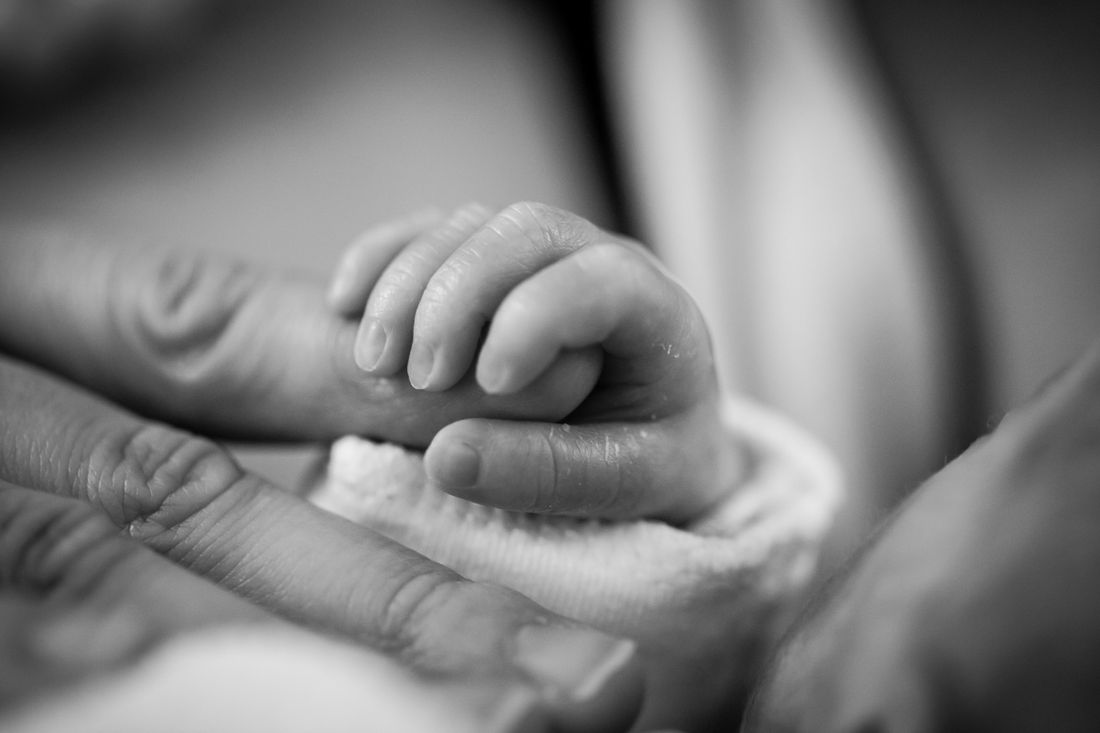
A newborn baby gripping a parent's finger

Your questions, answered. Tap one to open.

Pick the worry that fits your baby and open it for a clear answer, with what is usually normal, when to see a doctor, and when to go straight to hospital.

Usually normal See a doctor if… Go to hospital now if…
Should I start tummy time now?

Yes. Short supervised tummy time can begin once the baby is awake and alert.

🟢 Usually normal

Baby tolerates a few minutes while supervised.

🟡 See a doctor if

Baby dislikes it initially but otherwise looks well.

🔴 Go to hospital now if

Baby becomes blue, has breathing difficulty or collapses.

✅ What you can do: Start with 1–2 minutes, 2–3 times daily while awake and supervised.

⭐ Zango Clinic’s view: Tummy time strengthens neck and shoulder muscles. It should never be done during sleep.

My baby smiles during sleep. Is it a real smile?

Smiles during sleep at this age are usually reflexive ("neonatal smiles") rather than genuine social smiles, which typically develop around 6-8 weeks.

🟢 Usually normal

Occasional smiles during sleep or drowsy states, baby otherwise developing normally.

🟡 See a doctor if

You have general concerns about your baby's development or alertness.

🔴 Go to hospital now if

Not applicable to this question.

✅ What you can do: Enjoy these early smiles — no action needed; true social smiling will emerge over the coming weeks.

⭐ Zango Clinic’s view: These early reflex smiles are a lovely but not yet socially meaningful stage — genuine responsive smiling is still a few weeks away.

Can my baby recognize my voice?

Yes — newborns can recognise their mother's voice from birth, as hearing develops in the womb, and often show preference for it by calming or turning toward it.

🟢 Usually normal

Baby seems to calm or turn toward familiar voices, especially the mother's.

🟡 See a doctor if

You have concerns about baby's hearing or response to sound in general.

🔴 Go to hospital now if

Not applicable to this question.

✅ What you can do: Talk, sing, and read to your baby regularly — this supports language and bonding, even though baby can't respond yet.

⭐ Zango Clinic’s view: Voice recognition is one of the earliest and most reassuring signs of normal hearing and bonding — regular talking to your baby is genuinely valuable at this stage.

Should my baby follow my face?

By 2 weeks, some babies are beginning to briefly fix on and follow a face at close range (around 20-30cm), though this becomes more consistent over the following weeks.

🟢 Usually normal

Occasional or brief eye contact/following at close range; full head control isn't expected yet.

🟡 See a doctor if

Baby shows no eye contact or visual tracking at all by 6-8 weeks, or you have concerns about vision.

🔴 Go to hospital now if

Not applicable to this question.

✅ What you can do: Hold your face close (20-30cm) during alert periods and talk to baby — this encourages visual tracking to develop.

⭐ Zango Clinic’s view: This skill develops gradually — a baby not yet reliably following a face at 2 weeks is not unusual, but it's worth mentioning at your 6-week check if it hasn't started.

When to see Dr. Sethi

These answers help you know what to watch for at home. When something does not feel right, or a red-flag sign appears, a quick consultation is the safest next step. Book a clinic visit or ask on WhatsApp.

More newborn topics

Still worried? Talk to Dr. Sethi.

These answers help you know what to watch for. When something does not feel right, a quick consultation is the safest next step.