Parent Questions Β· Child Β· 4β6 Years
This age needs ten to thirteen hours of sleep, at least an hour of real running-around play, and no more than about an hour of quality screen time, an equation most households have upside down. This guide covers bedtime routines for school mornings, taming cartoons and phones, and getting play back into small Pakistani homes.

Pick the worry that fits your baby and open it for a clear answer, with what is usually normal, when to see a doctor, and when to go straight to hospital.
Four- and five-year-olds generally need about 10β13 hours in 24 hours, including any nap; school-age children commonly need 9β12 hours. Individual needs vary, but regular sleep and daytime alertness matter.
Four- and five-year-olds usually need about 10β13 hours of sleep in 24 hours; by school age many need about 9β12 hours. Regular sleep and an alert daytime child matter more than copying another familyβs clock.
There is loud habitual snoring, breathing pauses, persistent insomnia, severe nightmares, unusual movements, daytime sleepiness, behaviour affected by short sleep or ongoing bedwetting with other symptoms.
The child turns blue, has prolonged breathing pauses, cannot be awakened normally, has a seizure, serious injury or suspected medicine or sedative exposure.
β What you can do: Keep a one-week sleep diary, set a stable wake time and move bedtime gradually if the child is hard to wake or irritable.
β Zango Clinic’s view: At 4β6 years, adequate sleep supports behaviour and learning; late family routines should not repeatedly shorten the child's night.
Keep recreational screen use limited and balanced with sleep, school, play and family interaction. For younger children, about one hour of high-quality content with an adult is a useful ceiling; less is better.
Four- and five-year-olds usually need about 10β13 hours of sleep in 24 hours; by school age many need about 9β12 hours. Regular sleep and an alert daytime child matter more than copying another familyβs clock.
There is loud habitual snoring, breathing pauses, persistent insomnia, severe nightmares, unusual movements, daytime sleepiness, behaviour affected by short sleep or ongoing bedwetting with other symptoms.
The child turns blue, has prolonged breathing pauses, cannot be awakened normally, has a seizure, serious injury or suspected medicine or sedative exposure.
β What you can do: Choose age-appropriate content, co-view, use a timer and make a daily plan that protects outdoor play, stories and sleep.
β Zango Clinic’s view: At 4β6 years, screen quality and family rules matter, but an educational label does not turn hours of passive viewing into learning.
Screens distract from hunger and family conversation, and evening light and exciting content can delay sleep. Background television also reduces talking and play.
Four- and five-year-olds usually need about 10β13 hours of sleep in 24 hours; by school age many need about 9β12 hours. Regular sleep and an alert daytime child matter more than copying another familyβs clock.
There is loud habitual snoring, breathing pauses, persistent insomnia, severe nightmares, unusual movements, daytime sleepiness, behaviour affected by short sleep or ongoing bedwetting with other symptoms.
The child turns blue, has prolonged breathing pauses, cannot be awakened normally, has a seizure, serious injury or suspected medicine or sedative exposure.
β What you can do: Create screen-free meals and the last hour before bed, charge devices outside the sleeping area and ask all caregivers to follow the same rule.
β Zango Clinic’s view: At 4β6 years, phones should not be the routine spoon, babysitter or sleep medicine.
Children under 5 should be active across the day, while from age 5 at least 60 minutes of moderate-to-vigorous activity daily is a key target. Running, climbing safely, dancing, cycling and ball play all count.
Four- and five-year-olds usually need about 10β13 hours of sleep in 24 hours; by school age many need about 9β12 hours. Regular sleep and an alert daytime child matter more than copying another familyβs clock.
There is loud habitual snoring, breathing pauses, persistent insomnia, severe nightmares, unusual movements, daytime sleepiness, behaviour affected by short sleep or ongoing bedwetting with other symptoms.
The child turns blue, has prolonged breathing pauses, cannot be awakened normally, has a seizure, serious injury or suspected medicine or sedative exposure.
β What you can do: Build several active periods into the day, walk where safe, join the play and break up long sitting or tuition time.
β Zango Clinic’s view: At 4β6 years, daily movement is part of learning and health; a courtyard, park, ball and engaged adult can replace costly classes.
Outdoor play is valuable, but timing and place matter. Avoid severe heat, dangerous air, traffic, open drains, construction and unsupervised rooftops; use shade, water and visible safe spaces.
Four- and five-year-olds usually need about 10β13 hours of sleep in 24 hours; by school age many need about 9β12 hours. Regular sleep and an alert daytime child matter more than copying another familyβs clock.
There is loud habitual snoring, breathing pauses, persistent insomnia, severe nightmares, unusual movements, daytime sleepiness, behaviour affected by short sleep or ongoing bedwetting with other symptoms.
The child turns blue, has prolonged breathing pauses, cannot be awakened normally, has a seizure, serious injury or suspected medicine or sedative exposure.
β What you can do: Choose cooler hours, check local air conditions when pollution is severe, use a secure courtyard or school space and stop for breathing difficulty, dizziness or unusual fatigue.
β Zango Clinic’s view: At 4β6 years, children need movement without being sent alone into traffic, rooftop edges or extreme heat.
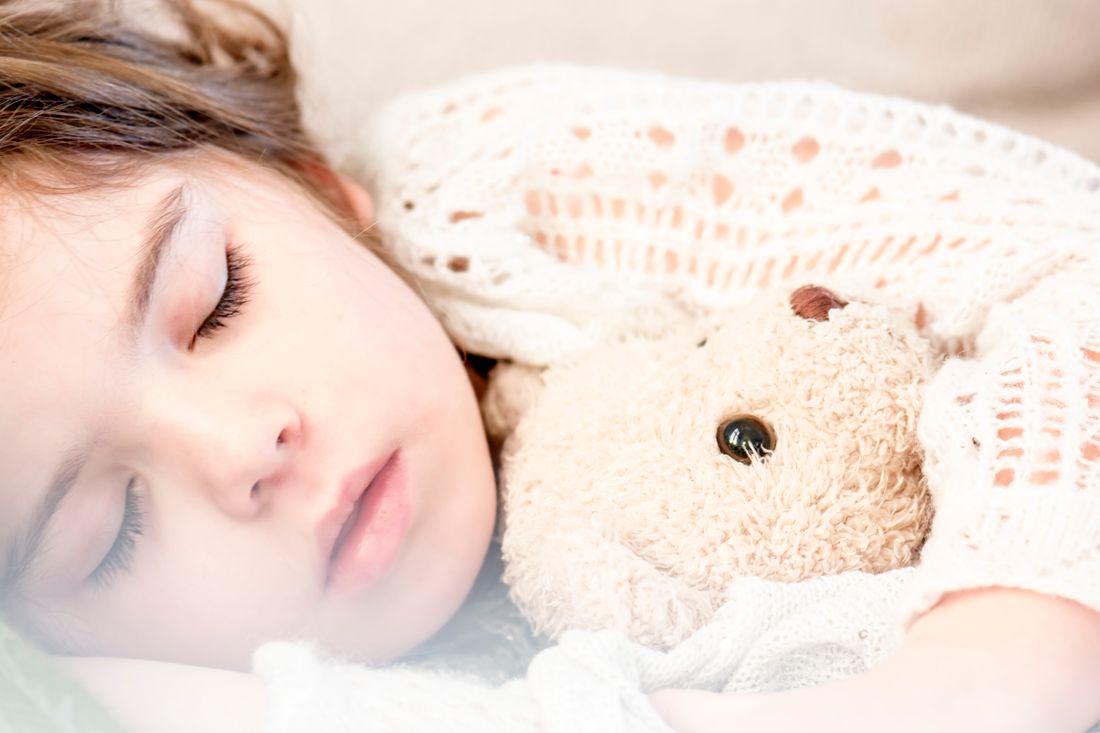
Occasional nightmares and night wetting can occur, but loud frequent snoring, breathing pauses, daytime sleepiness, new wetting after dryness, pain, excessive thirst or major distress needs review.
Four- and five-year-olds usually need about 10β13 hours of sleep in 24 hours; by school age many need about 9β12 hours. Regular sleep and an alert daytime child matter more than copying another familyβs clock.
There is loud habitual snoring, breathing pauses, persistent insomnia, severe nightmares, unusual movements, daytime sleepiness, behaviour affected by short sleep or ongoing bedwetting with other symptoms.
The child turns blue, has prolonged breathing pauses, cannot be awakened normally, has a seizure, serious injury or suspected medicine or sedative exposure.
β What you can do: Record sleep sounds or episodes, avoid punishment for wet beds, use the toilet before sleep and seek assessment for breathing pauses or urinary symptoms.
β Zango Clinic’s view: At 4β6 years, snoring is not proof of deep healthy sleep, and bedwetting should never be punished or publicly shamed.
These answers help you know what to watch for at home. When something does not feel right, or a red-flag sign appears, a quick consultation is the safest next step. Book a clinic visit or ask on WhatsApp.
These answers help you know what to watch for. When something does not feel right, a quick consultation is the safest next step.