Parent Questions Β· Child Β· 4–6 Years

Meals for 4 to 6 year olds: junk food and better plates

By four to six, children eat what the family eats, and what the family keeps in the house decides most of it. Chips, chai-dipped rusks and sugary drinks crowd out real food fast. This guide covers sensible plates, snacks that are not junk, milk amounts, fussy phases, and school-canteen realities.

Reviewed by Dr. Bilal Ahmad Sethi, Consultant Paediatrician Β· 8 common questions answered

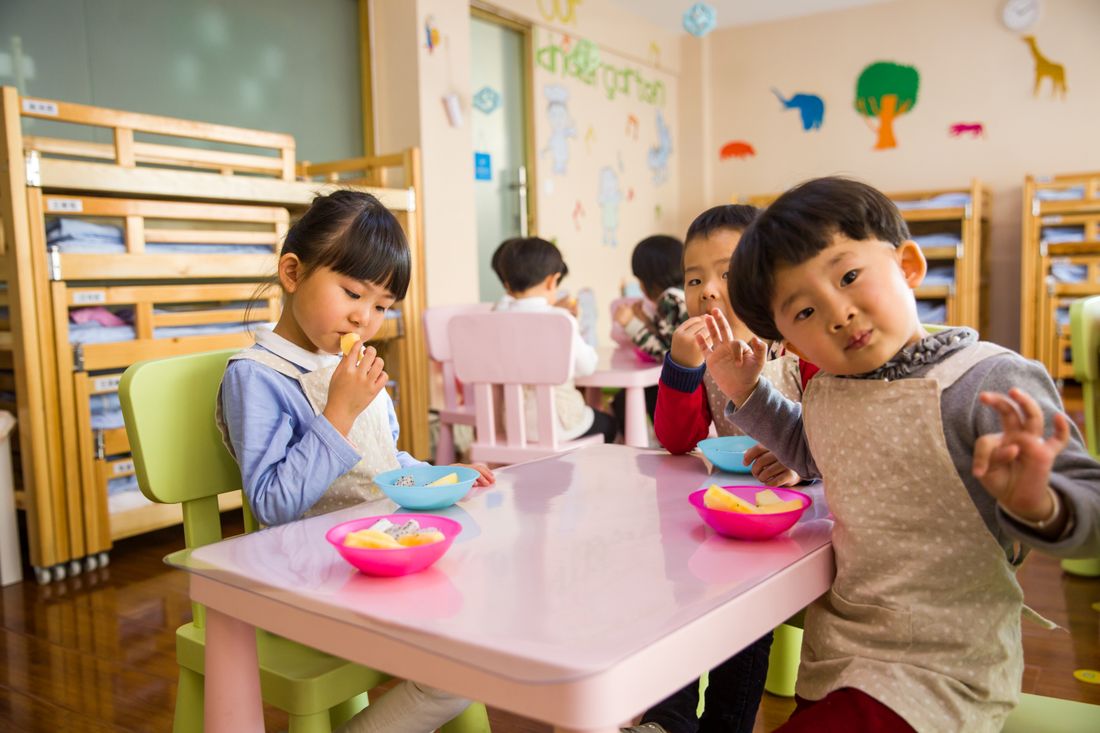
Young children eating together at a small table

Your questions, answered. Tap one to open.

Pick the worry that fits your baby and open it for a clear answer, with what is usually normal, when to see a doctor, and when to go straight to hospital.

Usually normal See a doctor if… Go to hospital now if…
How many meals and snacks should my 4–6-year-old have?

Offer 3 regular family meals and 1–2 planned nutritious snacks. Keep safe water available and leave gaps between eating times so hunger can develop; constant biscuits, milk or juice often suppress appetite.

🟒 Usually normal

Appetite varies from day to day. Most children do well with 3 family meals, 1–2 planned nutritious snacks, safe water and calm eating without force.

🟑 See a doctor if

The child has weight loss or poor growth, pallor, pica, persistent pain, vomiting or diarrhoea, choking, very restricted eating, dental pain, suspected allergy or major family conflict around food.

πŸ”΄ Go to hospital now if

The child has breathing difficulty or facial swelling after food, severe dehydration, green or bloody vomit, blood in stool, a swollen abdomen, collapse, seizure or cannot drink.

βœ… What you can do: Set predictable meal and snack times, seat the child with the family and end the meal calmly after about 20–30 minutes.

⭐ Zango Clinic’s view: At 4–6 years, routine and family food build appetite better than chasing the child with bites all day.

What should a balanced Pakistani plate or school lunchbox contain?

Across the day include roti, rice or another grain; dal, beans, egg, chicken, meat or boneless fish; vegetables or fruit; and plain milk or yogurt if used. Variety matters more than imported foods.

🟒 Usually normal

Appetite varies from day to day. Most children do well with 3 family meals, 1–2 planned nutritious snacks, safe water and calm eating without force.

🟑 See a doctor if

The child has weight loss or poor growth, pallor, pica, persistent pain, vomiting or diarrhoea, choking, very restricted eating, dental pain, suspected allergy or major family conflict around food.

πŸ”΄ Go to hospital now if

The child has breathing difficulty or facial swelling after food, severe dehydration, green or bloody vomit, blood in stool, a swollen abdomen, collapse, seizure or cannot drink.

βœ… What you can do: Use affordable combinations such as egg-roti, dal-rice, chana, vegetable paratha with yogurt, fruit and safe water; keep the lunchbox easy to open and safe in hot weather.

⭐ Zango Clinic’s view: At 4–6 years, local egg, dal, chana, roti, rice, vegetables and seasonal fruit can make an excellent diet without costly branded foods.
What can I do if my child refuses vegetables or is a picky eater?

Selective eating is common. A child may need many calm exposures before accepting a taste. Pressure, threats and cooking a separate junk meal can strengthen refusal.

🟒 Usually normal

Appetite varies from day to day. Most children do well with 3 family meals, 1–2 planned nutritious snacks, safe water and calm eating without force.

🟑 See a doctor if

The child has weight loss or poor growth, pallor, pica, persistent pain, vomiting or diarrhoea, choking, very restricted eating, dental pain, suspected allergy or major family conflict around food.

πŸ”΄ Go to hospital now if

The child has breathing difficulty or facial swelling after food, severe dehydration, green or bloody vomit, blood in stool, a swollen abdomen, collapse, seizure or cannot drink.

βœ… What you can do: Serve one accepted food beside a tiny portion of family food, let the child help wash or serve it and try again another day without forcing.

⭐ Zango Clinic’s view: At 4–6 years, repeated calm exposure works better than force-feeding, appetite syrups or comparing the child with cousins.

Is breakfast important before school?

Breakfast can support energy and concentration, but it need not be elaborate. A small balanced option is better than only tea, juice or packaged biscuits.

🟒 Usually normal

Appetite varies from day to day. Most children do well with 3 family meals, 1–2 planned nutritious snacks, safe water and calm eating without force.

🟑 See a doctor if

The child has weight loss or poor growth, pallor, pica, persistent pain, vomiting or diarrhoea, choking, very restricted eating, dental pain, suspected allergy or major family conflict around food.

πŸ”΄ Go to hospital now if

The child has breathing difficulty or facial swelling after food, severe dehydration, green or bloody vomit, blood in stool, a swollen abdomen, collapse, seizure or cannot drink.

βœ… What you can do: Prepare simple choices such as egg with roti, plain yogurt with fruit, porridge, chana or leftover home food; wake the child with enough time to eat calmly.

⭐ Zango Clinic’s view: At 4–6 years, a simple home breakfast is more useful for school than sugary cereal, tea and biscuits marketed as energy.

How much milk, tea, juice or sweet drink is okay?

Milk can be part of the diet but should not replace meals. Tea can reduce iron absorption, while juice, sharbat, fizzy drinks and sweet milk add sugar and increase dental decay. Water and whole fruit are better.

🟒 Usually normal

Appetite varies from day to day. Most children do well with 3 family meals, 1–2 planned nutritious snacks, safe water and calm eating without force.

🟑 See a doctor if

The child has weight loss or poor growth, pallor, pica, persistent pain, vomiting or diarrhoea, choking, very restricted eating, dental pain, suspected allergy or major family conflict around food.

πŸ”΄ Go to hospital now if

The child has breathing difficulty or facial swelling after food, severe dehydration, green or bloody vomit, blood in stool, a swollen abdomen, collapse, seizure or cannot drink.

βœ… What you can do: Offer milk at planned times in a cup, keep tea away from meals and make safe water the usual drink. Check the total with a clinician if food intake or iron is poor.

⭐ Zango Clinic’s view: At 4–6 years, more milk is not always more nutrition, and tea or juice should not become a meal.

Which low-cost foods help prevent iron-deficiency anemia?

Iron comes from meat, chicken, fish, egg, iron-fortified foods, dal, beans and chickpeas. Vitamin-C foods improve absorption from plant sources; tea near meals reduces it. Pallor needs assessment, not guesswork.

🟒 Usually normal

Appetite varies from day to day. Most children do well with 3 family meals, 1–2 planned nutritious snacks, safe water and calm eating without force.

🟑 See a doctor if

The child has weight loss or poor growth, pallor, pica, persistent pain, vomiting or diarrhoea, choking, very restricted eating, dental pain, suspected allergy or major family conflict around food.

πŸ”΄ Go to hospital now if

The child has breathing difficulty or facial swelling after food, severe dehydration, green or bloody vomit, blood in stool, a swollen abdomen, collapse, seizure or cannot drink.

βœ… What you can do: Include an iron-rich food daily, combine dal or chana with tomato, guava, citrus or another vitamin-C food, and seek testing for pallor, tiredness or pica.

⭐ Zango Clinic’s view: At 4–6 years, tea-heavy meals and narrow milk-and-biscuit diets are local anemia risks; food plus proper testing is safer than blood tonics.

How often can my child have sweets, chips, noodles and packaged snacks?

These are occasional foods, not daily nutrition. Frequent sugar, salt and highly processed snacks displace meals, train taste and increase tooth decay and unhealthy weight gain.

🟒 Usually normal

Appetite varies from day to day. Most children do well with 3 family meals, 1–2 planned nutritious snacks, safe water and calm eating without force.

🟑 See a doctor if

The child has weight loss or poor growth, pallor, pica, persistent pain, vomiting or diarrhoea, choking, very restricted eating, dental pain, suspected allergy or major family conflict around food.

πŸ”΄ Go to hospital now if

The child has breathing difficulty or facial swelling after food, severe dehydration, green or bloody vomit, blood in stool, a swollen abdomen, collapse, seizure or cannot drink.

βœ… What you can do: Keep portions small and planned, do not send packaged snacks daily, and ask relatives not to use sweets as love, reward or bribe.

⭐ Zango Clinic’s view: At 4–6 years, colourful packaging and a child label do not make biscuits, chips or juice healthy everyday foods.

Should I force-feed or give an appetite tonic?

Force-feeding, screens at meals and threats can create fear and ignore hunger cues. Most appetite tonics do not treat the cause of poor eating; some unregulated products may contain sedating drugs or steroids.

🟒 Usually normal

Appetite varies from day to day. Most children do well with 3 family meals, 1–2 planned nutritious snacks, safe water and calm eating without force.

🟑 See a doctor if

The child has weight loss or poor growth, pallor, pica, persistent pain, vomiting or diarrhoea, choking, very restricted eating, dental pain, suspected allergy or major family conflict around food.

πŸ”΄ Go to hospital now if

The child has breathing difficulty or facial swelling after food, severe dehydration, green or bloody vomit, blood in stool, a swollen abdomen, collapse, seizure or cannot drink.

βœ… What you can do: Parents choose what, when and where food is offered; the child chooses whether and how much. Bring any tonic label to a clinician if growth is concerning.

⭐ Zango Clinic’s view: At 4–6 years, feeding is shared responsibility; force and unlabelled tonics cannot replace a growth review and calm meal structure.

When to see Dr. Sethi

These answers help you know what to watch for at home. When something does not feel right, or a red-flag sign appears, a quick consultation is the safest next step. Book a clinic visit or ask on WhatsApp.

More newborn topics

Still worried? Talk to Dr. Sethi.

These answers help you know what to watch for. When something does not feel right, a quick consultation is the safest next step.