Parent Questions · Teen · 13–14 Years
Vapes, naswar and paan are increasingly available to teenagers well before the legal age, often introduced as “harmless” by friends. Medicine cabinets at home carry their own overdose risk once curiosity sets in. This guide gives parents a clear, non-judgemental way to talk about substance and medicine safety at 13 to 14.

Pick the worry that fits your baby and open it for a clear answer, with what is usually normal, when to see a doctor, and when to go straight to hospital.
No nicotine product is safe for adolescents. Vapes can deliver highly addictive nicotine, expose lungs to harmful chemicals and affect attention, mood and impulse control while the brain is still developing.
Many young people experience this while the teenager has not used nicotine and can discuss advertising or peer offers openly.
Bring this to a clinician's attention if experimentation, cravings, cough, chest symptoms, spending, secrecy or withdrawal irritability appears.
Proceed urgently when the child develops severe breathing difficulty, chest pain, collapse, seizure, poisoning or acute confusion after vaping.
✅ What you can do: Ask without accusation, remove products, identify nicotine content and arrange cessation support rather than punishment alone.
⭐ Zango Clinic’s view: At 13–14 years, a sweet flavour or USB shape does not make vaping harmless; early nicotine dependence can form quickly.
Smoked and smokeless tobacco products can cause nicotine addiction and harm lungs, heart, mouth and developing brain. Water pipes do not filter away the risk, and gutka or naswar can damage oral tissues.
It is commonly manageable at home when the adolescent refuses offers and understands that family use or cultural familiarity does not equal safety.
Timely outpatient evaluation is needed when any regular use, mouth lesions, cough, cravings, money loss or peer-group pressure is present.
An emergency response is necessary for breathing failure, collapse, severe chest pain, poisoning from swallowed nicotine or major mouth bleeding.
✅ What you can do: Use direct names for local products, make home and car smoke-free and seek adolescent-appropriate quitting support.
⭐ Zango Clinic’s view: At 13–14 years, shisha, naswar and gutka are not safer traditions; nicotine addiction can begin before families notice.
Use clear facts about impaired judgement, injury, dependence, school impact and unknown street-drug contents. Calm conversations and early help are more protective than threats that make disclosure impossible.
Variation between children is expected when the adolescent asks questions or reports peer exposure without current use or impairment.
Request school and health support if use is suspected, behaviour changes, money disappears, attendance falls or intoxicated friends become common.
Go without delay for unresponsiveness, slow or difficult breathing, seizure, severe agitation, psychosis, injury or suspected overdose.
✅ What you can do: Stay curious, set clear safety rules, do not leave an intoxicated child alone and seek qualified substance-use assessment.
⭐ Zango Clinic’s view: At 13–14 years, early drug use is a health and protection concern; family shame should not delay lifesaving care.
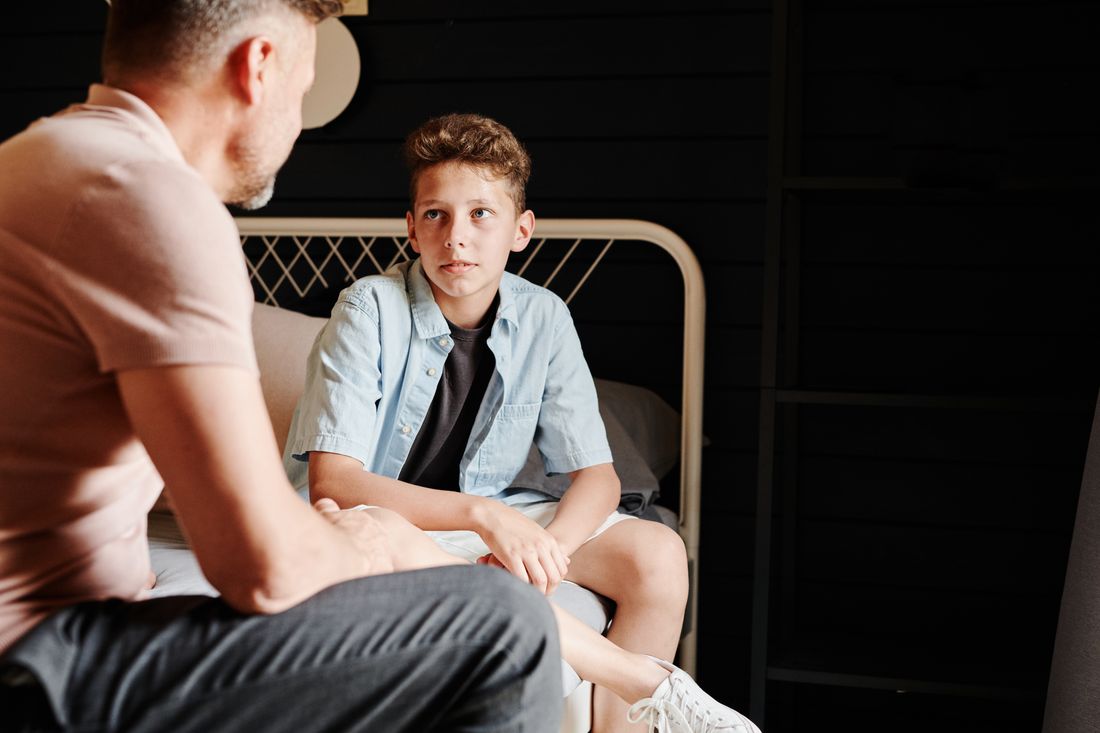
Short rehearsed responses, leaving with a supportive friend and a family rescue code are practical. The adolescent should know that calling for pickup is safer than hiding a dangerous situation.
This can settle naturally if the young person maintains boundaries and can leave ordinary peer pressure without retaliation or isolation.
Consult a suitable professional if offers repeat, older peers supply products, refusal triggers bullying or the adolescent begins hiding whereabouts.
Activate urgent medical help if there is forced ingestion, violence, unsafe driving, weapon threat, sexual coercion or a friend with overdose signs.
✅ What you can do: Practise one-line refusals, promise pickup before consequences and know where gatherings occur and who supervises.
⭐ Zango Clinic’s view: At 13–14 years, a rescue call should bring safety first; punishment can be discussed only after everyone is out of danger.
Unsupervised painkillers can damage stomach, kidneys or liver; antibiotics do not treat viruses and drive resistance; steroids and muscle-building drugs can disrupt growth, mood, hormones and organs.
It can be reassuring when a correctly chosen over-the-counter medicine is used briefly at the labelled adolescent dose with adult oversight.
Seek professional assessment when painkillers are needed repeatedly, antibiotics are bought without diagnosis, or steroid and gym-drug use is suspected.
Go to hospital now if there is vomiting blood, black stool, jaundice, severe abdominal pain, collapse, breathing trouble or a large ingestion.
✅ What you can do: Keep one written medicine list, check active ingredients and use clinicians and licensed pharmacies rather than gym sellers.
⭐ Zango Clinic’s view: At 13–14 years, a pharmacy counter or gym label does not make a medicine safe for unsupervised use.
Poisoning may be silent at first. Do not induce vomiting or give home mixtures; exact product, amount, time and symptoms guide emergency care.
A common age-related pattern is that a harmless taste exposure is confirmed by a qualified poison or clinical service and the adolescent remains entirely well.
Discuss it with the child's clinician if the amount is uncertain, a dosing error occurred or mild symptoms begin even if the product seems familiar.
Arrange urgent transport for drowsiness, breathing change, seizure, severe vomiting, burns, collapse, self-harm intent or unknown ingestion.
✅ What you can do: Move away from fumes, rinse exposed skin or eyes with clean water when appropriate, keep packaging and arrange urgent advice.
⭐ Zango Clinic’s view: At 13–14 years, suspected poisoning deserves honest facts and fast care; hiding self-harm or substance use increases risk.
These answers help you know what to watch for at home. When something does not feel right, or a red-flag sign appears, a quick consultation is the safest next step. Book a clinic visit or ask on WhatsApp.
These answers help you know what to watch for. When something does not feel right, a quick consultation is the safest next step.