Parent Questions Β· Infant Β· 4–6 Months

Starting solids: when, how and the best Pakistani first foods

Weaning starts around six months, when your baby shows readiness, not when relatives decide. Khichdi, mashed banana, well-cooked egg and soft dal all make excellent first foods, while dal water and rice water alone fill the tummy without feeding the child. This guide covers the when, the what, and the how of first foods, one new food at a time.

Reviewed by Dr. Bilal Ahmad Sethi, Consultant Paediatrician Β· 9 common questions answered

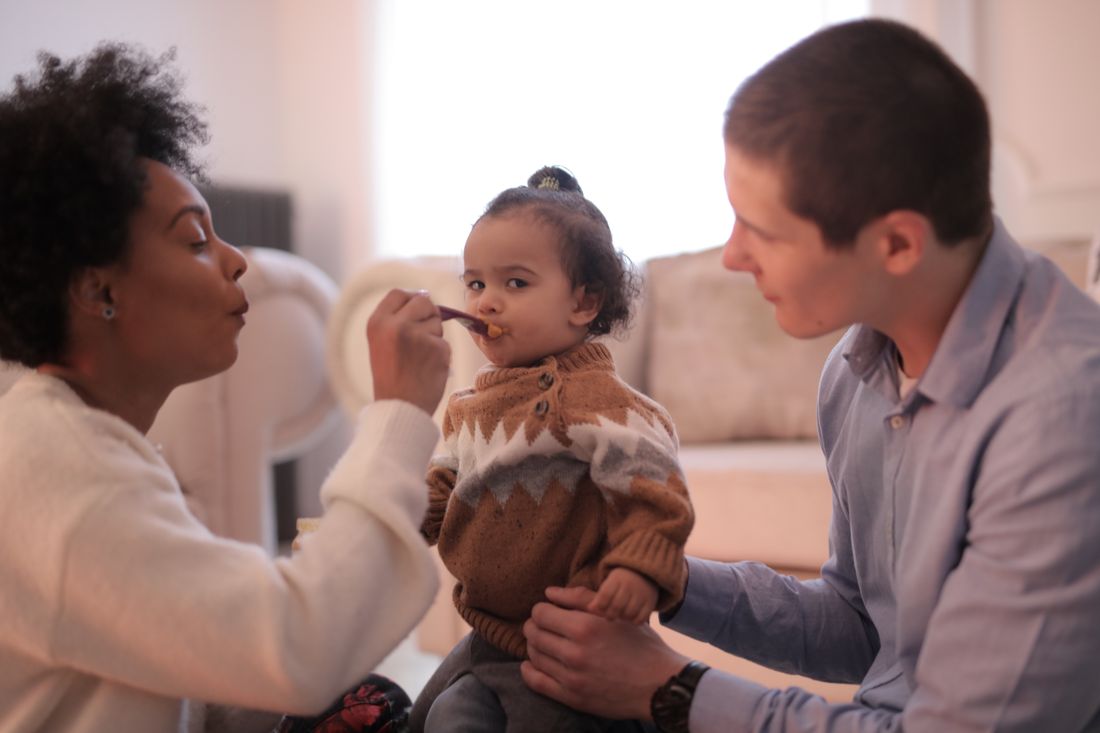
Parents spoon-feeding their baby their first foods

Your questions, answered. Tap one to open.

Pick the worry that fits your baby and open it for a clear answer, with what is usually normal, when to see a doctor, and when to go straight to hospital.

Usually normal See a doctor if… Go to hospital now if…
When should I start weaning or complementary foods?

For most babies, start at around 6 months when developmentally ready. Starting before 4 months is not recommended. A 4- or 5-month-old usually still needs only breast milk or infant formula unless a clinician gives an individual medical plan.

🟒 Usually normal

Around 6 months, a developmentally ready baby may start small amounts of soft complementary food while breast milk or infant formula continues. Early tongue-thrust, food spitting, funny faces and eating only a little are common learning behaviours.

🟑 See a doctor if

The baby is not ready by around 6 months, was premature, has poor head control, coughs or chokes with feeds, repeatedly refuses all textures, has eczema or suspected allergy, poor weight gain, persistent vomiting or a complex medical condition.

πŸ”΄ Go to hospital now if

Food causes inability to breathe, blue colour, collapse, facial or tongue swelling, repeated vomiting with breathing difficulty, severe dehydration, green vomit, blood in stool, extreme sleepiness or a seizure.

βœ… What you can do: Continue responsive milk feeding and prepare for solids near 6 months. Discuss timing early if the baby was premature, has poor growth, severe eczema or feeding difficulties.

⭐ Zango Clinic’s view: At 4–6 months, readinessβ€”not family pressure or a fixed 4-month birthdayβ€”should decide when begin food. I recoomend exclusiive Breast Feed with good weight gain should start weaning at six months while Formula fed should try weaning at four and half months.

What signs show my baby is ready for solid food?

Useful signs appearing together are steady head and neck control, sitting upright with support, bringing objects to the mouth, opening for food .
Waking at night or chewing fists alone are not readiness signs.

🟒 Usually normal

Around 6 months, a developmentally ready baby may start small amounts of soft complementary food while breast milk or infant formula continues. Early tongue-thrust, food spitting, eating only a little are common learning behaviours.

🟑 See a doctor if

The baby is not ready by around 6 months, was premature, has poor head control, coughs or chokes with feeds, repeatedly refuses all textures, has eczema or suspected allergy, poor weight gain, persistent vomiting or a complex medical condition.

πŸ”΄ Go to hospital now if

Food causes inability to breathe, blue colour, collapse, facial or tongue swelling, repeated vomiting with breathing difficulty, severe dehydration, green vomit, extreme sleepiness or a seizure.

βœ… What you can do: Seat the baby upright and offer a tiny amount from a soft spoon when several readiness signs are present. If head control is poor, wait and arrange assessment.

⭐ Zango Clinic’s view: At 4–6 months, your infant readiness is important. Chewing is a new skill which needs group of motor and swallowing skills; hunger, size or your relatives' like khala , dadi, naani opinions alone are not enough.

Which Pakistani foods are good first foods?

Start with soft, thick, nutrient-dense family foods: mashed rice, potato, banana or well-cooked khichri, chicken puree, unsweetened yogurt, mashed vegetables, or seasonal fruit. Food should stay on the spoon rather than being watery.

🟒 Usually normal

Around 6 months, a developmentally ready baby may start small amounts of soft complementary food while breast milk or infant formula continues. Early tongue-thrust, food spitting and eating only a little are common learning behaviours.

🟑 See a doctor if

The baby is not ready by around 6 months, was premature, has poor head control, coughs or chokes with feeds, repeatedly refuses all textures, has eczema , poor weight gain, persistent vomiting or a complex medical condition.

πŸ”΄ Go to hospital now if

Food causes inability to breathe, blue colour, collapse, facial or tongue swelling, repeated vomiting with breathing difficulty, severe dehydration, green vomit, blood in stool, extreme sleepiness or a seizure.

βœ… What you can do: Offer one or two teaspoons once daily at first, using a clean spoon. Include an iron-rich food regularly and add variety gradually.

⭐ Zango Clinic’s view: At 4–6 months, familiar Pakistani foods can be excellent when thick, soft, unsalted and hygienically prepared; expensive jars and packet food are not required.
Is dal water, rice water or thin cereal enough for weaning?

No. Strained dal water, rice water and very thin cereal fill the stomach but contain little energy, protein or iron. The baby needs the mashed dal, rice or cereal itself in a thick, soft consistency.

🟒 Usually normal

Around 6 months, a developmentally ready baby may start small amounts of soft complementary food while breast milk or infant formula continues. Early tongue-thrust, food spitting, funny faces and eating only a little are common learning behaviours.

🟑 See a doctor if

The baby is not ready by around 6 months, was premature, has poor head control, coughs or chokes with feeds, repeatedly refuses all textures, has eczema or suspected allergy, poor weight gain, persistent vomiting or a complex medical condition.

πŸ”΄ Go to hospital now if

Food causes inability to breathe, blue colour, collapse, facial or tongue swelling, repeated vomiting with breathing difficulty, severe dehydration, green vomit, blood in stool, extreme sleepiness or a seizure.

βœ… What you can do: Mash the family food smoothly with breast milk, formula or safe water as needed. Increase thickness rather than straining away the nutritious part.

⭐ Zango Clinic’s view: At 4–6 months, watery weaning foods are a common Pakistani cause of poor nutrient intake; feed the food, not only its water.

How much food and how many times should I offer?

At the start around 6 months, one or two teaspoons once daily is enough for practice. Increase slowly according to hunger and tolerance. By 6–8 months, WHO guidance generally moves toward 2–3 small meals daily while milk continues.

🟒 Usually normal

Around 6 months, a developmentally ready baby may start small amounts of soft complementary food while breast milk or infant formula continues. Early tongue-thrust, food spitting, funny faces and eating only a little are common learning behaviours.

🟑 See a doctor if

The baby is not ready by around 6 months, was premature, has poor head control, coughs or chokes with feeds, repeatedly refuses all textures, has eczema or suspected allergy, poor weight gain, persistent vomiting or a complex medical condition.

πŸ”΄ Go to hospital now if

Food causes inability to breathe, blue colour, collapse, facial or tongue swelling, repeated vomiting with breathing difficulty, severe dehydration, green vomit, blood in stool, extreme sleepiness or a seizure.

βœ… What you can do: Choose a calm time after the baby is alert, use a small bowl and stop when the baby closes the mouth or turns away. Increase over days, not in one large feed.

⭐ Zango Clinic’s view: At 4–6 months, early meals teach skills; small responsive portions are better than a full katori forced on the first day.

Should first food be completely smooth, or can it be mashed?

A smooth or well-mashed texture is easiest at first. As swallowing improves, gradually make food thicker and softly lumpy rather than keeping only thin purees. Texture learning is part of development.

🟒 Usually normal

Around 6 months, a developmentally ready baby may start small amounts of soft complementary food while breast milk or infant formula continues. Early tongue-thrust, food spitting, funny faces and eating only a little are common learning behaviours.

🟑 See a doctor if

The baby is not ready by around 6 months, was premature, has poor head control, coughs or chokes with feeds, repeatedly refuses all textures, has eczema or suspected allergy, poor weight gain, persistent vomiting or a complex medical condition.

πŸ”΄ Go to hospital now if

Food causes inability to breathe, blue colour, collapse, facial or tongue swelling, repeated vomiting with breathing difficulty, severe dehydration, green vomit, blood in stool, extreme sleepiness or a seizure.

βœ… What you can do: Mash with a fork, remove bones and hard pieces and test softness between finger and thumb. Progress slowly while the baby sits upright and is supervised.

⭐ Zango Clinic’s view: At 4–6 months, smooth food can begin learning, but gradually thicker textures build skills and nutrition; permanent watery puree is not the goal.

Is homemade baby food better than packaged cereal or jars?

Safe homemade food can be nutritious, affordable and culturally familiar. Fortified infant cereal may help provide iron, but packaged foods are not automatically healthier and may contain sugar or salt. Product labels and preparation matter.

🟒 Usually normal

Around 6 months, a developmentally ready baby may start small amounts of soft complementary food while breast milk or infant formula continues. Early tongue-thrust, food spitting, funny faces and eating only a little are common learning behaviours.

🟑 See a doctor if

The baby is not ready by around 6 months, was premature, has poor head control, coughs or chokes with feeds, repeatedly refuses all textures, has eczema or suspected allergy, poor weight gain, persistent vomiting or a complex medical condition.

πŸ”΄ Go to hospital now if

Food causes inability to breathe, blue colour, collapse, facial or tongue swelling, repeated vomiting with breathing difficulty, severe dehydration, green vomit, blood in stool, extreme sleepiness or a seizure.

βœ… What you can do: Use fresh ingredients, safe water and clean utensils. Choose unsweetened, low-salt products when used and never dilute food to make a packet last longer.

⭐ Zango Clinic’s view: At 4–6 months, clean nutrient-dense home food is usually practical for Pakistani families; packaged food is an option, not a requirement.

What should I do when my baby refuses food or family says to force-feed?

Refusal, turning away and small intake are common at the start. Force-feeding can create fear, vomiting and later feeding problems. Babies often need many calm exposures before accepting a taste or texture.

🟒 Usually normal

Around 6 months, a developmentally ready baby may start small amounts of soft complementary food while breast milk or infant formula continues. Early tongue-thrust, food spitting, funny faces and eating only a little are common learning behaviours.

🟑 See a doctor if

The baby is not ready by around 6 months, was premature, has poor head control, coughs or chokes with feeds, repeatedly refuses all textures, has eczema or suspected allergy, poor weight gain, persistent vomiting or a complex medical condition.

πŸ”΄ Go to hospital now if

Food causes inability to breathe, blue colour, collapse, facial or tongue swelling, repeated vomiting with breathing difficulty, severe dehydration, green vomit, blood in stool, extreme sleepiness or a seizure.

βœ… What you can do: Offer without pressure for 10–15 minutes, eat together, let the baby touch food and stop at fullness cues. Try again another day; do not chase with a spoon or hold the nose.

⭐ Zango Clinic’s view: At 4–6 months, respectful repetition teaches eating better than force; grandparents can help by offering calmly, not measuring love by an empty bowl.

Can I add salt, sugar, honey, tea, juice or biscuits?

Avoid added salt and sugar. Honey is unsafe before 12 months because of botulism. Tea reduces iron absorption, juice and sweet drinks add sugar, and biscuits are low-nutrient and may choke. Whole soft fruit is better than juice.

🟒 Usually normal

Around 6 months, a developmentally ready baby may start small amounts of soft complementary food while breast milk or infant formula continues. Early tongue-thrust, food spitting, funny faces and eating only a little are common learning behaviours.

🟑 See a doctor if

The baby is not ready by around 6 months, was premature, has poor head control, coughs or chokes with feeds, repeatedly refuses all textures, has eczema or suspected allergy, poor weight gain, persistent vomiting or a complex medical condition.

πŸ”΄ Go to hospital now if

Food causes inability to breathe, blue colour, collapse, facial or tongue swelling, repeated vomiting with breathing difficulty, severe dehydration, green vomit, blood in stool, extreme sleepiness or a seizure.

βœ… What you can do: Use natural food flavours without sweetening. Offer breast milk or formula as the main drink and, from around 6 months, small sips of safe water with meals.

⭐ Zango Clinic’s view: At 4–6 months, taste is being trained; honey, tea, juice and sweet biscuits create risk without nutritional benefit.

When to see Dr. Sethi

These answers help you know what to watch for at home. When something does not feel right, or a red-flag sign appears, a quick consultation is the safest next step. Book a clinic visit or ask on WhatsApp.

More newborn topics

Still worried? Talk to Dr. Sethi.

These answers help you know what to watch for. When something does not feel right, a quick consultation is the safest next step.