Parent Questions · Infant · 10–12 Months
The months around the first birthday hold the two milestones families wait for: first steps and first words. Both have wide normal ranges, walking anywhere from nine to eighteen months, and a late walker is usually just a late walker. This guide covers cruising, pointing, early words, and the genuine flags worth a check.

Pick the worry that fits your baby and open it for a clear answer, with what is usually normal, when to see a doctor, and when to go straight to hospital.
Many children play simple games, wave bye-bye, use a special name for a parent, pause at 'no', put objects in a container, search for hidden objects, use a pincer grasp, pull to stand, cruise and drink from a cup with help.
By 12 months many children wave, use a special name for a parent, understand a simple 'no', play social games, use a pincer grasp, pull to stand and cruise along furniture. Independent walking and exact speech timing vary.
The child cannot sit independently, bears no weight through the legs, uses one side much less, is very stiff or floppy, does not respond to sound or name, uses no gestures or babble, has poor eye contact, or loses any skill.
There is a seizure, repeated spasms, sudden unresponsiveness, rapid loss of skills, severe breathing difficulty, blue colour, a serious fall or head injury, suspected shaking, or the child is difficult to wake.
✅ What you can do: Talk and play face-to-face, offer containers and safe objects, practise cup use and discuss progress at the 12-month visit. Use corrected age if born early.
⭐ Zango Clinic’s view: At 10–12 months, the pattern of progress matters more than achieving every milestone on the birthday; any skill loss needs prompt review.
Not necessarily. Many children cruise while holding furniture or take a few steps near the first birthday; independent walking can occur later. Symmetry, strength, standing progress and safe exploration matter more than a fixed date.
By 12 months many children wave, use a special name for a parent, understand a simple 'no', play social games, use a pincer grasp, pull to stand and cruise along furniture. Independent walking and exact speech timing vary.
The child cannot sit independently, bears no weight through the legs, uses one side much less, is very stiff or floppy, does not respond to sound or name, uses no gestures or babble, has poor eye contact, or loses any skill.
There is a seizure, repeated spasms, sudden unresponsiveness, rapid loss of skills, severe breathing difficulty, blue colour, a serious fall or head injury, suspected shaking, or the child is difficult to wake.
✅ What you can do: Provide floor time, sturdy furniture and a safe push toy. Seek assessment for no weight-bearing, marked stiffness or floppiness, one-sided movement or loss of skill.
⭐ Zango Clinic’s view: At 10–12 months, relatives should not label a child late for not walking on the first birthday; developmental red flags—not comparison—guide referral.
Let the child pull up on stable, anchored furniture and move sideways while holding on. Falls from standing height happen during learning, so the area must be clear and surfaces stable.
By 12 months many children wave, use a special name for a parent, understand a simple 'no', play social games, use a pincer grasp, pull to stand and cruise along furniture. Independent walking and exact speech timing vary.
The child cannot sit independently, bears no weight through the legs, uses one side much less, is very stiff or floppy, does not respond to sound or name, uses no gestures or babble, has poor eye contact, or loses any skill.
There is a seizure, repeated spasms, sudden unresponsiveness, rapid loss of skills, severe breathing difficulty, blue colour, a serious fall or head injury, suspected shaking, or the child is difficult to wake.
✅ What you can do: Anchor televisions and shelves, remove tablecloths and sharp corners, gate stairs and stay close. Avoid pulling the child by both hands to make steps.
⭐ Zango Clinic’s view: At 10–12 months, first-step practice belongs on a safe floor with stable support—not on a bed, charpai or wheeled walker.
Indoors on a clean safe surface, barefoot walking or non-slip socks allow the feet to feel the ground. Shoes protect outdoors; they should be flexible, secure and the correct size. Heavy rigid shoes do not strengthen legs.
By 12 months many children wave, use a special name for a parent, understand a simple 'no', play social games, use a pincer grasp, pull to stand and cruise along furniture. Independent walking and exact speech timing vary.
The child cannot sit independently, bears no weight through the legs, uses one side much less, is very stiff or floppy, does not respond to sound or name, uses no gestures or babble, has poor eye contact, or loses any skill.
There is a seizure, repeated spasms, sudden unresponsiveness, rapid loss of skills, severe breathing difficulty, blue colour, a serious fall or head injury, suspected shaking, or the child is difficult to wake.
✅ What you can do: Check the floor for cold, sharp objects and burns, choose flexible footwear outdoors and recheck fit often.
⭐ Zango Clinic’s view: At 10–12 months, expensive hard shoes do not make a Pakistani child walk earlier; safe barefoot practice builds natural balance.
Many children babble with different sounds, wave, understand familiar words and may use 'mama', 'dada' or another special name meaningfully. Gestures, eye contact, response to name and back-and-forth interaction are as important as word count.
By 12 months many children wave, use a special name for a parent, understand a simple 'no', play social games, use a pincer grasp, pull to stand and cruise along furniture. Independent walking and exact speech timing vary.
The child cannot sit independently, bears no weight through the legs, uses one side much less, is very stiff or floppy, does not respond to sound or name, uses no gestures or babble, has poor eye contact, or loses any skill.
There is a seizure, repeated spasms, sudden unresponsiveness, rapid loss of skills, severe breathing difficulty, blue colour, a serious fall or head injury, suspected shaking, or the child is difficult to wake.
✅ What you can do: Name everyday objects, copy sounds, pause for a response and discuss hearing if the child does not react to voices or sound.
⭐ Zango Clinic’s view: At 10–12 months, one meaningful sound plus gestures can be progress; a pressured list of English words is not the goal.
No. Children can learn more than one language. Use the languages family members speak naturally and warmly. Mixing languages is not a disorder; limited interaction or hearing difficulty deserves attention.
By 12 months many children wave, use a special name for a parent, understand a simple 'no', play social games, use a pincer grasp, pull to stand and cruise along furniture. Independent walking and exact speech timing vary.
The child cannot sit independently, bears no weight through the legs, uses one side much less, is very stiff or floppy, does not respond to sound or name, uses no gestures or babble, has poor eye contact, or loses any skill.
There is a seizure, repeated spasms, sudden unresponsiveness, rapid loss of skills, severe breathing difficulty, blue colour, a serious fall or head injury, suspected shaking, or the child is difficult to wake.
✅ What you can do: Talk during routines, sing local rhymes, read picture books and let grandparents tell simple stories. Avoid testing or correcting every sound.
⭐ Zango Clinic’s view: At 10–12 months, Urdu, Pashto, Punjabi, Sindhi, Balochi and other home languages nourish communication; English videos are not required.
Peekaboo, pat-a-cake, hiding a toy, putting objects in containers, picture books, songs, imitation and safe push toys build thinking and movement. Babies learn from responsive people, not passive videos.
By 12 months many children wave, use a special name for a parent, understand a simple 'no', play social games, use a pincer grasp, pull to stand and cruise along furniture. Independent walking and exact speech timing vary.
The child cannot sit independently, bears no weight through the legs, uses one side much less, is very stiff or floppy, does not respond to sound or name, uses no gestures or babble, has poor eye contact, or loses any skill.
There is a seizure, repeated spasms, sudden unresponsiveness, rapid loss of skills, severe breathing difficulty, blue colour, a serious fall or head injury, suspected shaking, or the child is difficult to wake.
✅ What you can do: Keep phones away during meals and play except family video calls, rotate simple safe household objects and follow the child's attention.
⭐ Zango Clinic’s view: At 10–12 months, a responsive adult and simple play teach more than a Western app, flashing toy or English cartoon.
Seek review for no independent sitting, no weight-bearing, very stiff or floppy body, persistent one-sided use, no response to name or sound, no babbling or gestures, limited social engagement, feeding-skill difficulty or loss of any skill.
By 12 months many children wave, use a special name for a parent, understand a simple 'no', play social games, use a pincer grasp, pull to stand and cruise along furniture. Independent walking and exact speech timing vary.
The child cannot sit independently, bears no weight through the legs, uses one side much less, is very stiff or floppy, does not respond to sound or name, uses no gestures or babble, has poor eye contact, or loses any skill.
There is a seizure, repeated spasms, sudden unresponsiveness, rapid loss of skills, severe breathing difficulty, blue colour, a serious fall or head injury, suspected shaking, or the child is difficult to wake.
✅ What you can do: Record a safe short video, arrange hearing and developmental assessment, and use corrected age for prematurity. Do not wait only because relatives say boys speak late.
⭐ Zango Clinic’s view: At 10–12 months, regression, asymmetry and absent social communication are more concerning than normal variation in first-step timing.
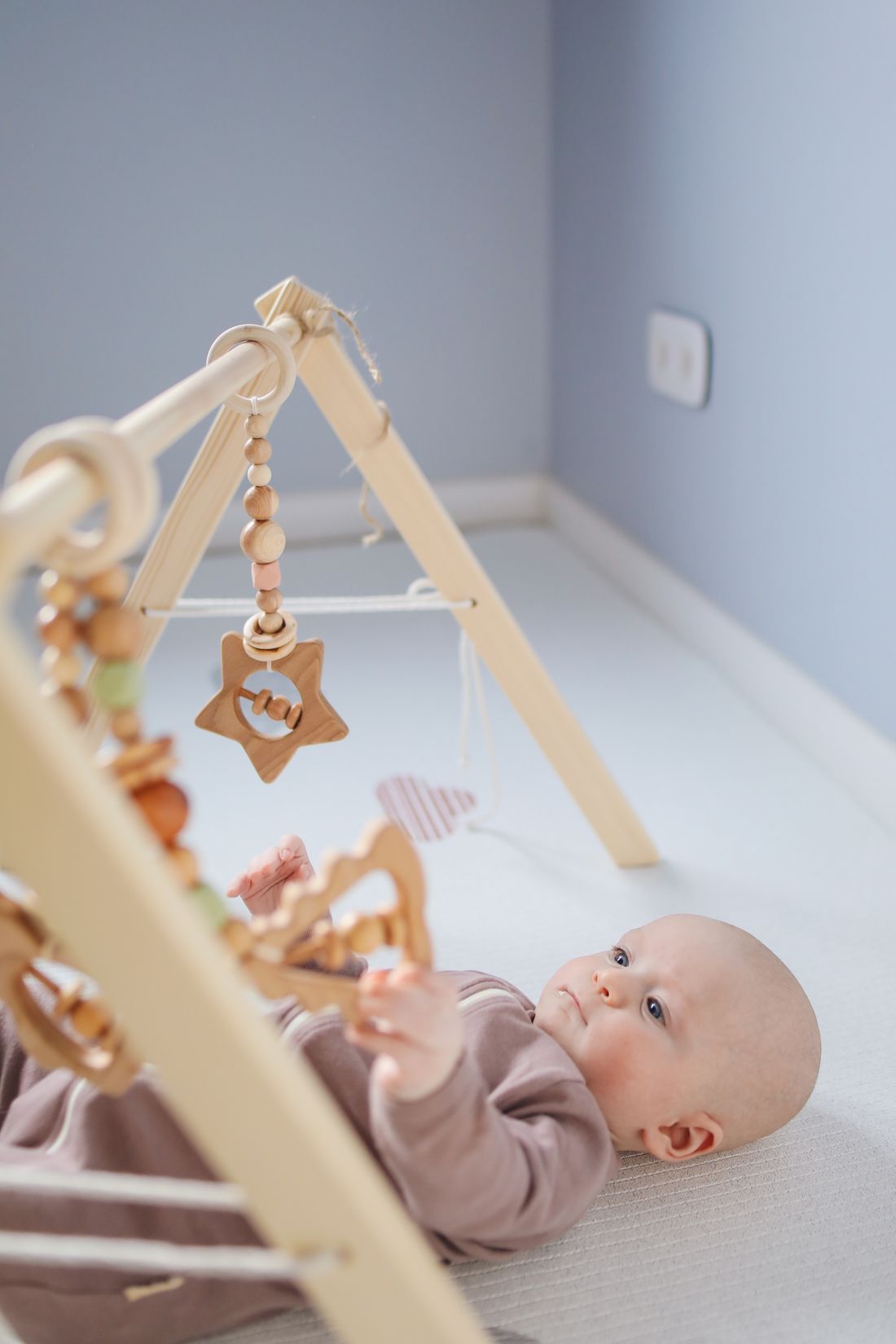
These answers help you know what to watch for at home. When something does not feel right, or a red-flag sign appears, a quick consultation is the safest next step. Book a clinic visit or ask on WhatsApp.
These answers help you know what to watch for. When something does not feel right, a quick consultation is the safest next step.